How to Choose the Right Golf Simulator for Your Needs
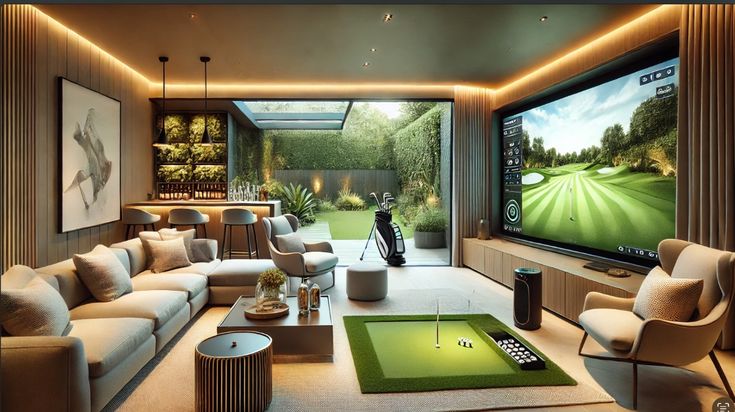
Choosing an indoor golf system is not simply a matter of selecting advanced technology or purchasing the most expensive equipment available. The right choice depends on how you play, where you intend to practise, how much space you have, and what you hope to achieve over time. A recreational golfer may prioritise convenience and entertainment, while a serious player might focus on detailed performance measurements and consistent feedback.
With several configurations available, taking time to understand your requirements can prevent unnecessary expenses and help you create a practice environment that remains useful for years.
Start by Defining Your Golfing Goals
Before comparing specifications, consider what you want from your investment. Your primary objective should guide every subsequent decision.
Practice, Entertainment or Professional Development?
Different golfers require different capabilities. Beginners often benefit from straightforward swing feedback, visual ball-flight information and accessible practice modes. Experienced players may need precise measurements, detailed shot analysis and tools that reveal subtle changes in technique.
If several family members will use the system, entertainment features, multiplayer games and different skill settings may be equally important. Golf enthusiasts who practise regularly may instead prefer structured sessions, virtual courses and detailed performance records.
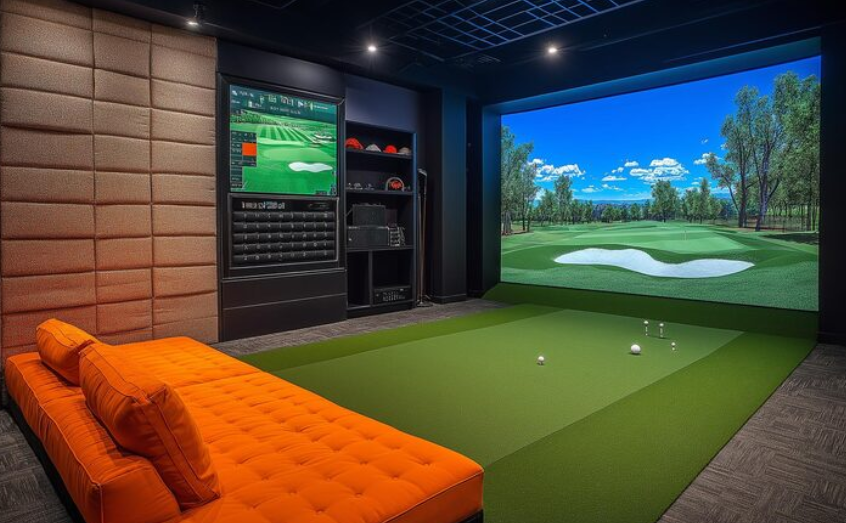
A Home Golf Simulator can bring practice into your daily routine, making it easier to work on technique without travelling to a driving range. However, its usefulness depends on selecting equipment that matches your playing habits rather than simply choosing the longest feature list.
Measure Your Available Space Before Buying
A system that performs exceptionally well in a showroom may not fit comfortably inside a residential property. Room dimensions should therefore be checked before committing to any equipment.
Ceiling Height, Width and Depth
Ceiling clearance is particularly important because a full swing requires sufficient vertical space. Players using longer clubs may need additional clearance, while left-handed and right-handed golfers sharing the room may require a wider hitting area.
Room depth must accommodate the golfer, hitting position, ball-tracking equipment and impact screen. The projector and any supporting structures also need suitable placement.
Measure the room carefully, including beams, ceiling fans, lighting fixtures and other obstacles. Do not assume that an empty room will remain suitable once furniture, storage and electrical connections are added.
Consider Comfort and Safety
The hitting area should provide enough room for natural movement without placing people, windows or valuable objects within the potential path of a misdirected shot. Protective enclosures and suitable impact materials help create a safer environment.
Ventilation, lighting and access to electrical outlets also influence everyday usability. A well-planned installation should feel comfortable rather than crowded.
Understand the Different Tracking Technologies
The tracking system determines how shots are measured and translated into digital ball flight. Understanding the main technologies makes equipment comparisons more meaningful.
Camera-Based Measurement
High-speed cameras capture the ball or club around impact. Depending on the configuration, image analysis can identify movement, estimate spin and calculate important launch characteristics.
Camera-based systems can be particularly useful when detailed impact information is a priority. Their performance depends on camera placement, lighting, calibration and the quality of the underlying measurement system.
Radar-Based Measurement
Radar equipment tracks moving objects using reflected electromagnetic signals. Depending on the model and configuration, it can measure ball movement directly and may require additional space for reliable tracking.
This approach can suit golfers who have enough room behind or around the hitting position. However, restricted indoor environments may make some radar configurations less practical.
Compare What Is Actually Measured
Do not assume that every system measures every parameter directly. Some values are captured by sensors, while others are calculated using algorithms or additional measurements.
Review the specifications for ball speed, launch angle, spin rate, club speed and club delivery data. Prioritise the measurements that will genuinely influence your training.
Evaluate Software and Practice Features
Hardware alone does not determine the quality of the experience. Software influences how effectively you can interpret results and maintain motivation.
Look for clear shot visualisations, useful practice modes, accessible performance reports and reliable data storage. Course simulations may appeal to golfers who enjoy playing virtual rounds, whereas range environments and skills challenges can support more focused sessions.
Check whether the software requires a subscription, an internet connection or a compatible computer. Consider how updates are delivered and whether multiple user profiles are supported.
A simple interface can be more valuable than dozens of complicated functions that rarely get used.
Establish a Realistic Budget
The purchase price represents only one part of the total investment. Screens, enclosures, mats, projectors, computers, installation and room preparation may all contribute to the final amount.
Request a complete equipment list rather than comparing headline prices alone. Confirm whether calibration, delivery, software access and after-sales assistance are included.
It is also worth asking about warranty coverage, replacement components and technical support. Reliable assistance can become especially important when equipment is used frequently.
Plan for Long-Term Use
Your needs may change as your skills develop. Select a configuration that offers useful flexibility without paying for capabilities you are unlikely to use.
When choosing a golf simulator, consider whether the system supports software updates, additional training features or future equipment upgrades. If several golfers will share the space, choose settings that accommodate different abilities.
Before purchasing, request a demonstration using the measurements and features that matter most to you. Seeing how results are presented can reveal more than reading a specification sheet.
Ultimately, the best choice is the one that fits your room, budget and ambitions while encouraging regular, purposeful practice. Careful planning turns an indoor installation into a practical part of your golfing routine rather than an expensive feature that receives occasional use.