Best Materials For Durable Beef Jerky Bags
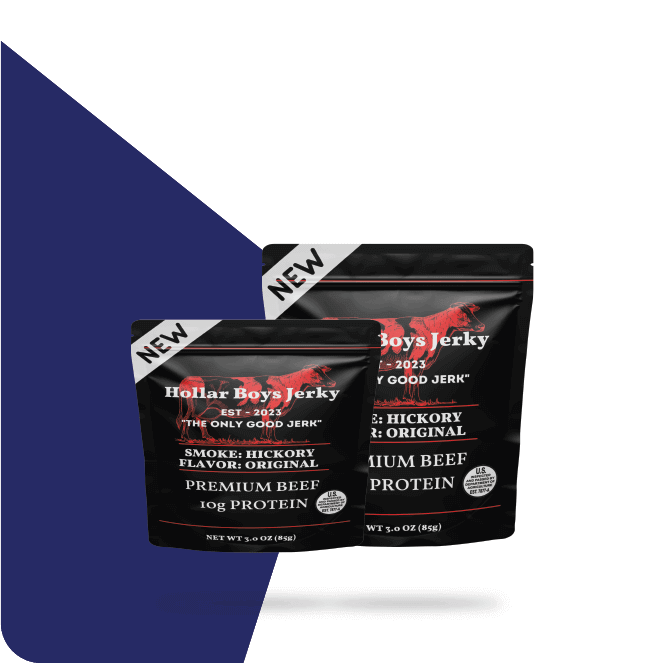
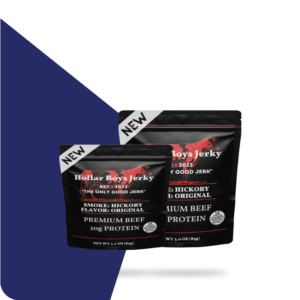
Packaging for protein-based snacks is no longer treated as a simple covering, but as a controlled system through which identity of the brand is presented with clarity and consistency. In competitive food markets, freshness, safety, and visual appeal are expected together. Among modern packaging formats, Beef Jerky Bags are widely selected because a stable storage environment and organized presentation are achieved at the same time. A refined outer appearance is maintained while internal protection remains strong. In the Universal Packaging article, this packaging style is described as a reliable approach where durability and structure influence perception of the brand across retail and online channels.
Importance Of Material In Jerky Packaging
Material selection plays a critical role in maintaining freshness and extending shelf life of meat-based snacks. A controlled barrier is required to limit exposure to oxygen, moisture, and light. When appropriate material layers are selected, quality of the product is preserved over longer storage periods. A consistent packaging structure is maintained, ensuring that flavor, texture, and safety remain intact. At the same time, the outer surface supports clear branding elements, allowing presentation of the product to remain organized and visually appealing in competitive retail environments.
Multi-Layer Films for Maximum Protection
Multi-layer film structures are commonly applied in jerky packaging due to their strong barrier performance. Layers such as PET, aluminium foil, and polyethylene are combined to create a sealed environment where external factors are minimized. Through this composition, protection of the product is maintained against moisture and oxygen exposure. The layered structure also supports durability during handling and transportation. A stable internal condition is achieved, ensuring that freshness and safety are preserved while the outer surface remains suitable for clear printing and branding visibility.
Plastic-Based Flexible Materials
Flexible plastic films are widely used due to their adaptability and durability in food packaging. These materials are structured to maintain airtight sealing and resistance to environmental changes. Lightweight composition supports efficient storage and transport without increasing bulk. Through this format, a balance between protection and practicality is achieved. The outer layer supports detailed printing, allowing branding elements to remain visible. As a result, visibility of the product and recognition of the brand are maintained while ensuring that internal product conditions remain stable.
Kraft and Eco-Friendly Packaging Options
Kraft-based materials are increasingly selected for brands focusing on sustainable packaging solutions. A natural and minimal appearance is achieved, which aligns with environmentally conscious branding. When combined with internal barrier layers, these materials maintain necessary protection while reducing environmental impact. This approach supports modern consumer expectations without compromising packaging performance. Through eco-friendly material selection, both requirements of the brand and sustainability goals are addressed while maintaining structured and visually appealing packaging.
Design and Material Combination
A strong packaging result is achieved when material selection is aligned with thoughtful design execution. Smooth surfaces allow printing clarity, while finishes such as matte or gloss enhance visual appeal. Structured layouts ensure that information remains readable and organized. Through this combination, presentation of the product is improved while maintaining consistent branding across product lines. Design consistency strengthens recognition of the brand, ensuring that packaging remains identifiable and visually stable across different retail environments.
Storage Stability and Shelf Performance
Packaging materials directly influence how products perform during storage and display. A strong barrier structure reduces spoilage risks and maintains freshness over extended periods. Stability is maintained during transportation, ensuring that packaging remains intact. On retail shelves, organized and structured packaging improves product arrangement and comparison. Through these factors, both storage performance and visual presentation remain aligned. As a result, perception of the brand is strengthened through consistent quality and reliability.
Key Benefits of Beef Jerky Bags Materials
Different materials provide specific advantages that contribute to effective packaging performance. These benefits support both product protection and brand presentation.
- Multi-layer films maintain strong protection of the product
- Flexible materials support efficient storage and handling
- Eco-friendly options align with sustainable packaging practices
- Smooth surfaces improve visibility of the product
- Consistent material selection strengthens identity of the brand
Sustainability and Future Material Trends
Sustainability is becoming a central factor in packaging development, where reduced environmental impact is prioritized. Recyclable and biodegradable materials are increasingly integrated into packaging systems. Efficient material usage helps reduce waste while maintaining structural performance. Consumer demand for eco-conscious packaging continues to influence material innovation. Through these developments, packaging remains aligned with environmental goals while maintaining durability and visual quality. This ensures that requirements of the brand are fulfilled alongside responsible production practices.
Conclusion
Beef Jerky Bags represent a structured packaging solution where durability, protection, and visual clarity are combined to support food products effectively. Material selection plays a key role in maintaining freshness and enhancing presentation. Through layered structures and thoughtful design, a balance between safety and branding is achieved. This approach strengthens recognition of the brand and improves overall presentation of the product in competitive markets. In the Universal Packaging article, this packaging format is presented as a reliable solution where stability, consistency, and visual impact are maintained through well-planned material choices.