Chemical vs. Non-Chemical Termite Treatment: Which Is Better?
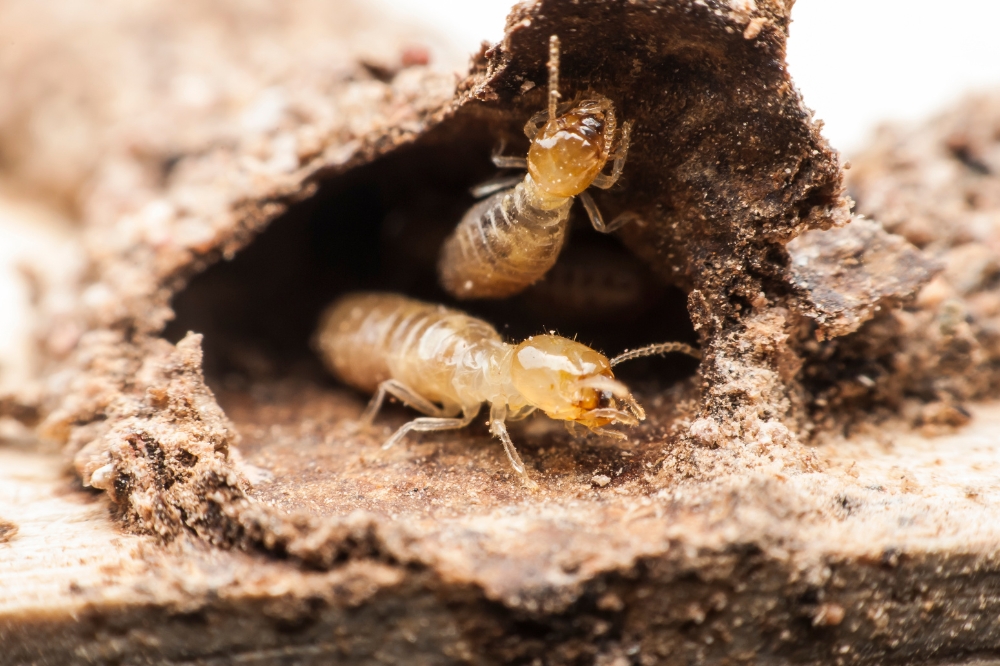
Termites are among the most destructive pests for homeowners, capable of silently causing severe structural damage. In regions like the Gold Coast, where warm and humid conditions create an ideal environment for termite activity, understanding the best treatment options is crucial. When it comes to termite management, homeowners are often faced with a key decision: chemical or non-chemical treatments. Both approaches have advantages, limitations, and specific use cases. This guide compares chemical and non-chemical termite treatments, helping homeowners make informed decisions for effective, long-term protection.
Understanding Termite Infestations
Termites feed on cellulose, which is present in timber, paper, and other plant-based materials. The main types of termites in Australia include:
-
Subterranean termites: Live in the soil and construct underground colonies, often attacking structural timber.
-
Drywood termites: Live entirely inside wood, making them harder to detect.
-
Dampwood termites: Prefer moist wood, typically found in areas with high humidity or water damage.
Termite infestations can lead to weakened floors, walls, and roofs, resulting in costly repairs if left untreated. Early detection and effective treatment are essential.
Chemical Termite Treatments
Chemical termite treatments involve the use of termiticides to eliminate existing colonies and prevent infestations. These treatments are widely used and highly effective.
Types of Chemical Treatments
-
Soil Treatments
Chemical barriers are applied around a property’s foundation to prevent subterranean termites from entering. Professionals drill into the soil and inject termiticides, creating a continuous protective layer.
Advantages:
-
Highly effective at preventing and eliminating subterranean termites.
-
Long-lasting protection when maintained.
-
Can treat large areas quickly.
Limitations:
-
Chemicals can pose environmental and health risks if not applied correctly.
-
Requires professional expertise for safe and effective application.
-
Wood Treatments
Termiticides can be applied directly to timber, particularly in areas where termites have already established colonies. Borate-based treatments are common and penetrate wood fibers to kill and repel termites.
Advantages:
-
Effective for both prevention and treatment of localized infestations.
-
Safe for indoor use when applied properly.
Limitations:
-
Only protects treated wood, not surrounding soil or other structures.
-
Termite Baiting Systems
Chemical baits contain slow-acting toxins that termites carry back to the colony. Over time, the colony is eradicated.
Advantages:
-
Targeted approach with minimal chemical exposure to the environment.
-
Useful for monitoring termite activity over time.
Limitations:
-
Requires ongoing maintenance and monitoring.
-
Colony elimination can take weeks to months.
Non-Chemical Termite Treatments
Non-chemical termite treatments rely on physical barriers, heat, or biological controls rather than pesticides. These methods appeal to homeowners seeking environmentally friendly or chemical-free alternatives.
Types of Non-Chemical Treatments
-
Physical Barriers
Physical barriers prevent termites from accessing structures. These include stainless steel mesh around foundations, termite-proof membranes beneath concrete slabs, and sand barriers that termites cannot penetrate.
Advantages:
-
Chemical-free and environmentally safe.
-
Long-lasting protection when installed correctly.
-
Reduces the risk of future infestations.
Limitations:
-
Typically requires installation during construction.
-
May not be feasible for existing homes without significant modifications.
-
Heat Treatment
Heat treatment involves raising the temperature of infested areas to levels lethal to termites, often used for drywood termites.
Advantages:
-
Non-toxic and chemical-free.
-
Effective for localized infestations.
Limitations:
-
Limited to areas where heat can be contained.
-
Not suitable for large-scale infestations.
-
Biological Controls
Research is ongoing into using nematodes, fungi, or other natural predators to control termites.
Advantages:
-
Eco-friendly and sustainable.
-
Reduces reliance on chemical pesticides.
Limitations:
-
Currently less effective than chemical treatments.
-
Requires specific conditions for effectiveness.
Comparing Chemical vs. Non-Chemical Treatments
| Feature | Chemical Treatments | Non-Chemical Treatments |
|---|---|---|
| Effectiveness | High, especially for large infestations | Moderate to high for prevention and localized control |
| Speed of Action | Fast-acting for colony elimination | Slower; some methods require time (e.g., heat treatment) |
| Environmental Impact | Potential chemical risks if misused | Eco-friendly and sustainable |
| Cost | Varies, generally moderate; may require repeat applications | Higher upfront for physical barriers; ongoing maintenance may be lower |
| Feasibility for Existing Homes | Highly feasible; can treat existing structures | Physical barriers often easier during construction; heat/biological treatment possible in specific areas |
| Longevity | Requires monitoring and maintenance; chemical barriers can last 3–5 years | Physical barriers can last decades; heat and biological treatments may require follow-up |
Which Is Better?
The answer depends on your property, infestation type, and personal preferences:
-
For active infestations: Chemical treatments are usually faster and more effective at eliminating colonies. Soil termiticides and baiting systems are particularly efficient for subterranean termites.
-
For preventative measures: Non-chemical methods, such as physical barriers during construction, provide long-term protection without environmental risks.
-
For chemical-sensitive environments: Heat treatment or biological controls offer alternatives for localized infestations.
-
For long-term peace of mind: Combining chemical and non-chemical methods—such as a chemical barrier plus physical protection—often provides the best comprehensive solution.
Importance of Professional Intervention
Both chemical and non-chemical termite treatments require professional expertise for safe and effective application. Professionals can:
-
Accurately identify termite species and colony size.
-
Recommend the most suitable treatment method or combination.
-
Ensure compliance with local safety and environmental regulations.
-
Provide ongoing monitoring and preventative strategies.
DIY treatments often fail to address the full scope of infestations and may increase the risk of recurring problems.
Preventative Tips for Homeowners
In addition to professional treatment, homeowners can take steps to reduce the risk of termite infestations:
-
Keep timber, mulch, and firewood away from direct contact with soil.
-
Repair leaks and fix drainage issues promptly.
-
Ensure proper ventilation in crawl spaces and under floors.
-
Conduct annual termite inspections by licensed professionals.
Combining preventative measures with professional treatments—whether chemical, non-chemical, or both—offers the best protection.
Conclusion
There is no one-size-fits-all answer to the question of chemical versus non-chemical termite treatment. Chemical treatments are highly effective for eliminating active colonies, especially subterranean termites, while non-chemical methods offer eco-friendly, long-term protection and are ideal for prevention or chemical-sensitive environments.
For homeowners in termite-prone areas like the Gold Coast, a combined approach often provides the most reliable solution: using chemical treatments to address active infestations, while incorporating non-chemical strategies such as physical barriers to prevent future problems. Partnering with a licensed termite control professional ensures accurate diagnosis, safe treatment, and ongoing monitoring, protecting your home from these silent destroyers for years to come.