How to Choose the Right Materials for Bathroom Remodelling
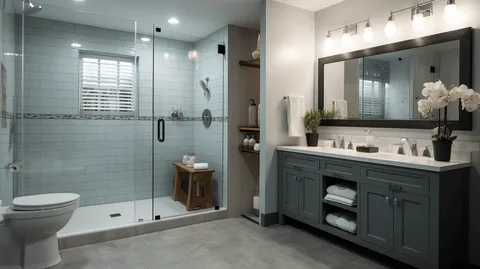
Selecting the right materials is one of the most important decisions you will make during a renovation. Bathroom spaces are exposed to moisture, temperature fluctuations, and heavy daily use, which means every surface must balance durability with design. Successful Bathroom remodelling is not just about appearance—it is about choosing materials that perform well over time while maintaining visual appeal.
Homeowners often focus on finishes like tiles and fixtures, but the real success of a project depends on what lies beneath the surface. Waterproofing systems, subfloor preparation, ventilation compatibility, and structural support all play critical roles. Experienced firms such as AL HARMAIN ASSOCIATES ENGINEER & CONSULTANT understand that material selection must align with building standards, moisture control strategies, and long-term maintenance expectations.
When carefully selected, materials enhance property value, improve hygiene, and reduce future repair costs. The wrong materials, however, can lead to mold growth, cracked tiles, peeling paint, or premature wear. To ensure your Bathroom remodelling project is both beautiful and practical, you must approach material selection with expert insight and strategic planning.
Below is a professional guide to help you make informed decisions that combine aesthetics, performance, and long-term reliability.
Understanding Moisture Resistance and Durability
Bathrooms are high-humidity environments. Steam from showers, splashes from sinks, and condensation can damage unsuitable materials. Therefore, moisture resistance should be your top priority.
Flooring Materials
Porcelain and ceramic tiles remain among the most reliable flooring choices. They are water-resistant, durable, and available in various finishes. Natural stone offers luxury appeal but requires sealing to prevent water absorption. Vinyl flooring is another practical option, offering water resistance and easy maintenance.
Hardwood flooring is generally not recommended unless it is specially treated and properly sealed. During Bathroom remodelling, always consider slip resistance, especially in family homes. Textured tile finishes improve safety while maintaining style.
Selecting the Right Wall Finishes
Walls in a bathroom endure constant exposure to humidity and cleaning products. Choosing the right wall materials ensures longevity and easier maintenance.
Tiles and Wall Panels
Ceramic and porcelain wall tiles are classic choices due to their water resistance and durability. Large-format tiles reduce grout lines, which minimizes moisture infiltration and simplifies cleaning.
Waterproof wall panels are becoming increasingly popular for modern renovations. These panels provide seamless finishes, reduce installation time, and offer superior moisture protection. A properly executed Bathroom remodelling project integrates waterproof membranes behind tiles or panels to protect structural components.
Paint Selection
If you prefer painted walls, choose mold-resistant, high-quality bathroom paint. Satin or semi-gloss finishes resist moisture better than flat paint. Avoid low-grade paints, as they may peel or discolor over time.
Choosing Countertops and Vanity Materials
Vanities and countertops are focal points in any bathroom. They must withstand water exposure, cosmetic spills, and frequent cleaning.
Quartz is one of the best options due to its non-porous surface and resistance to stains. Granite offers natural beauty but requires periodic sealing. Solid surface materials provide seamless installation and easy maintenance.
During Bathroom remodelling, consider the balance between aesthetics and functionality. Lighter shades can create a spacious feel, while darker tones add depth and contrast.
Cabinet materials should also be moisture-resistant. Marine-grade plywood and moisture-resistant MDF outperform traditional particleboard in humid conditions.
Fixtures and Hardware Selection
Bathroom fixtures influence both functionality and long-term maintenance. Faucets, showerheads, and handles should be made from corrosion-resistant materials such as brass or stainless steel.
Matte black, brushed nickel, and chrome finishes remain popular due to their durability and timeless appearance. When planning Bathroom remodelling, invest in high-quality fixtures to prevent leaks and mineral buildup.
Water-efficient fixtures not only reduce utility bills but also support sustainability goals. Look for certified water-saving options to enhance efficiency without sacrificing performance.
Bathtubs and Shower Materials
Bathtubs and showers are central components of any bathroom renovation. Acrylic tubs are lightweight, affordable, and easy to maintain. Cast iron tubs offer durability and heat retention but are heavier and require strong structural support.
Shower enclosures made from tempered glass create a sleek, modern look while improving light distribution. During Bathroom remodelling, ensure that shower systems include proper waterproofing and drainage design to prevent long-term structural damage.
Grout, Sealants, and Waterproofing
Often overlooked, grout and sealants are critical in maintaining bathroom integrity. Epoxy grout is more resistant to stains and moisture than traditional cement grout. Silicone sealants should be used around sinks, tubs, and joints to prevent water infiltration.
Professional waterproofing membranes installed beneath tiles add an extra layer of protection. Skipping this step can compromise even the most expensive materials. A well-planned Bathroom remodelling project prioritizes hidden protection systems as much as visible finishes.
Ventilation and Material Compatibility
Proper ventilation extends the life of your bathroom materials. Without adequate airflow, moisture accumulates and damages surfaces over time.
Install high-quality exhaust fans with appropriate capacity for the room size. Materials chosen during Bathroom remodelling should complement ventilation systems, ensuring long-term performance and mold prevention.
Sustainability and Eco-Friendly Choices
Sustainable materials are increasingly popular in modern renovations. Recycled glass tiles, low-VOC paints, and sustainably sourced cabinetry reduce environmental impact while maintaining quality.
Energy-efficient lighting and water-saving fixtures further enhance sustainability. Thoughtful material selection during Bathroom remodelling can improve indoor air quality and reduce long-term operating costs.
Budget Considerations Without Compromising Quality
While it may be tempting to choose the least expensive materials, cutting corners often results in higher long-term costs. Invest in areas exposed to water and heavy use, such as flooring, shower systems, and countertops.
Balance high-end materials with cost-effective options where appropriate. For example, combine premium tiles in feature areas with simpler designs elsewhere. Smart budgeting ensures your Bathroom remodelling delivers value without sacrificing durability.
Conclusion
Choosing the right materials for your bathroom is about more than aesthetics—it is about durability, moisture resistance, safety, and long-term value. A carefully planned Bathroom remodelling project integrates high-performance flooring, reliable waterproofing systems, quality fixtures, and proper ventilation to create a space that stands the test of time. By focusing on expert-approved materials and avoiding shortcuts, homeowners can achieve both functionality and visual appeal. When guided by experienced professionals and thoughtful planning, your renovation becomes a lasting investment in comfort and property value.
FAQs
What is the most durable flooring for bathrooms?
Porcelain tile is widely considered one of the most durable and water-resistant flooring options for bathrooms.
Should I use natural stone in a bathroom?
Yes, but it requires proper sealing and maintenance to prevent water damage and staining.
How important is waterproofing in bathroom renovations?
Waterproofing is essential. Without it, moisture can damage structural elements and lead to mold growth.
Are eco-friendly materials reliable for bathrooms?
Yes. Many sustainable materials offer durability and moisture resistance comparable to traditional options.
How can I ensure long-term performance of bathroom materials?
Choose high-quality materials, ensure proper installation, and maintain adequate ventilation to prevent moisture buildup.