MCC Control Panel Manufacturer in Ahmedabad for Industries
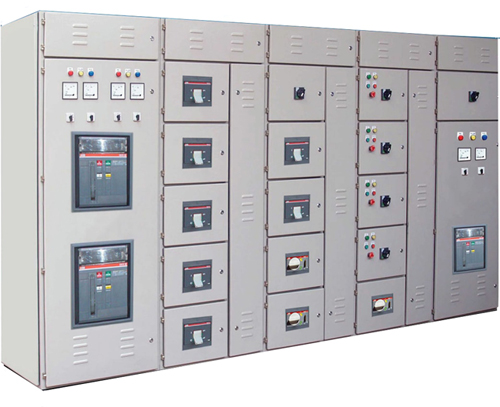
Industrial facilities depend on motors to run critical operations such as pumping, conveying, mixing, and processing. When motor control systems are unstable or poorly designed, the result is downtime, safety risks, and rising maintenance issues. This makes Motor Control Center panels a core part of industrial electrical infrastructure.
Industries therefore look for a dependable MCC control panel manufacturer in Ahmedabad that understands industrial motor behavior, protection coordination, and electrical safety requirements. Ahmedabad has grown into a strong base for panel manufacturing due to its industrial ecosystem, engineering talent, and proximity to key manufacturing regions.
With long-standing experience in industrial automation and electrical systems, Pima Controls supports industries with MCC control panels designed for reliability, safety, and operational continuity.
What Is an MCC Control Panel
An MCC control panel, or Motor Control Center panel, is a centralized assembly used to control and protect multiple motors from a single location. It houses motor starters, protection devices, control circuits, and power distribution components within a structured enclosure.
In industrial environments, MCC panels are used to:
-
Start and stop motors safely
-
Protect motors from overloads and faults
-
Manage power distribution to motor loads
-
Enable maintenance through isolation and interlocking
-
Improve operational control and visibility
Because motors are high-load devices, MCC panels must be engineered carefully to ensure stable and safe operation.
Why Industries in Ahmedabad Need MCC Control Panels
Ahmedabad supports a wide range of industries including pharmaceuticals, chemicals, engineering, textiles, packaging, food processing, and infrastructure. These sectors operate multiple motors with varying load profiles.
Common challenges faced without proper MCC panels include:
-
Frequent motor failures
-
Overloading of feeders and cables
-
Unsafe manual switching practices
-
Difficult fault identification
-
Poor maintenance access
MCC control panels address these issues by centralizing motor control, improving protection coordination, and supporting structured maintenance practices.
Role of an MCC Control Panel Manufacturer
An MCC panel manufacturer does more than fabricate enclosures. The manufacturer is responsible for engineering a system that matches the electrical and operational needs of the facility.
Key Responsibilities Include
-
Load and motor data analysis
-
Selection of motor starters and protection devices
-
Short-circuit and coordination considerations
-
Panel layout and compartmentalization
-
Wiring, labeling, and testing
-
Compliance with applicable electrical standards
A manufacturer with industrial experience ensures the MCC panel performs consistently under real operating conditions.
Types of MCC Control Panels Used in Industries
Industrial facilities use different MCC panel configurations depending on application complexity and control requirements.
Conventional MCC Panels
Use electromechanical starters, contactors, and overload relays for basic motor control.
PLC-Based MCC Panels
Integrate PLCs for logic control, interlocking, and automation integration.
Intelligent MCC Panels
Include digital protection relays, communication modules, and monitoring systems for real-time diagnostics.
Drive-Based MCC Panels
Incorporate VFDs or soft starters for speed control and reduced mechanical stress.
Each type is selected based on motor duty, process requirements, and automation level.
Design Practices for MCC Control Panels
Professional MCC panel manufacturing follows structured design practices to ensure safety and reliability.
Load and Fault Calculations
Accurate calculation of motor ratings, starting currents, and fault levels ensures correct component sizing.
Segregation and Layout
Power sections, control sections, and cable areas are physically separated to reduce fault impact.
Thermal Management
Ventilation or cooling provisions prevent overheating during continuous operation.
Future Expansion
Panels include spare feeders and space for future motor additions.
These design practices support long-term operational stability.
Component Selection Standards
Component quality plays a major role in MCC panel performance.
Motor Starters
Selected based on motor rating, starting method, and duty cycle.
Protection Devices
MCCBs, MPCBs, fuses, and overload relays are coordinated to clear faults safely.
Busbars
Sized for current carrying capacity and temperature rise limits.
Control Devices
Relays, timers, and selectors ensure reliable operation and clear control logic.
Using certified components reduces failure risks and simplifies maintenance.
Wiring and Assembly Practices
Wiring standards directly affect safety and serviceability.
Cable Selection
Cables are chosen based on current rating, insulation class, and environment.
Routing and Dressing
Structured routing improves heat dissipation and reduces interference.
Termination
Correct lugs, crimping, and tightening prevent loose connections.
Identification
Clear labeling of wires, terminals, and devices supports troubleshooting.
Good wiring practices improve panel lifespan and ease of maintenance.
Testing of MCC Control Panels
Testing ensures the panel functions as designed before installation.
Routine Tests
-
Continuity checks
-
Insulation resistance testing
-
Verification of control logic
-
Protection device operation
Functional Testing
Simulated motor operations confirm correct interlocking and sequencing.
Visual Inspection
Confirms layout, labeling, wiring quality, and mechanical integrity.
Testing reduces site issues and speeds up commissioning.
Industries Using MCC Control Panels in Ahmedabad
MCC control panels are widely used across Ahmedabad’s industrial sectors.
Manufacturing Units
Control conveyors, mixers, and production machinery.
Pharmaceutical Plants
Manage process equipment and utility motors.
Chemical and Process Industries
Support pumps, agitators, and material handling systems.
Food and Beverage
Ensure reliable operation of packaging and refrigeration systems.
Infrastructure and Utilities
Control water pumping stations, HVAC systems, and auxiliary services.
Each sector benefits from structured motor control and improved electrical safety.
Compliance and Documentation
Proper documentation is part of standard MCC panel manufacturing.
Electrical Drawings
Include power schematics, control circuits, and wiring layouts.
Component Schedules
List all installed devices with ratings.
Test Records
Confirm compliance with routine and functional testing.
Documentation supports audits, maintenance, and future modifications.
Why Experience Matters in MCC Panel Manufacturing
MCC panels operate continuously in demanding environments. Manufacturing experience reduces operational risks.
Experienced manufacturers offer:
-
Better load assessment
-
Proven design methods
-
Reliable protection coordination
-
Cleaner wiring and layout
-
Fewer commissioning issues
This directly improves uptime and safety.
MCC Panel Manufacturing at Pima Controls
With over 35 years of experience in industrial automation and electrical systems, Pima Controls supports industries with MCC control panels engineered for performance and safety.
Capabilities include:
-
Custom MCC panel design
-
PLC and intelligent MCC integration
-
ISO-certified manufacturing processes
-
UL 508A panel manufacturing capability
-
Support for domestic and export projects
Panels are built with focus on operational clarity, safety compliance, and long-term reliability.
For technical coordination or project communication, industries may reach out via Contact Pima Controls.
FAQs
1. What is an MCC control panel used for?
It controls and protects multiple motors from a centralized panel.
2. Why do industries in Ahmedabad use MCC panels?
To improve motor safety, reliability, and maintenance efficiency.
3. What types of MCC panels are available?
Conventional, PLC-based, intelligent, and drive-based MCC panels.
4. Are MCC panels customized?
Yes, they are designed based on motor loads and application needs.
5. What protection devices are used in MCC panels?
MCCBs, MPCBs, overload relays, and fuses.
6. Do MCC panels support automation systems?
Yes, PLC and communication-ready MCC panels support automation.
7. What testing is done on MCC panels?
Continuity, insulation, functional, and visual tests.
8. Can MCC panels handle high fault levels?
Yes, when designed with correct short-circuit ratings.
9. Do MCC panels improve maintenance safety?
Yes, through isolation, interlocking, and clear labeling.
10. Who manufactures MCC control panels in Ahmedabad?
Pima Controls supports MCC panel manufacturing for industrial facilities.
Conclusion
Motor Control Center panels are a foundation of safe and efficient industrial operations. Choosing the right MCC control panel manufacturer in Ahmedabad ensures reliable motor control, proper protection, and long-term electrical stability.
With structured engineering practices and decades of industrial experience, Pima Controls continues to support industries with MCC control panels designed for demanding operational environments and compliance-focused facilities.