New Tech Truck Engine Diagnostic Updates
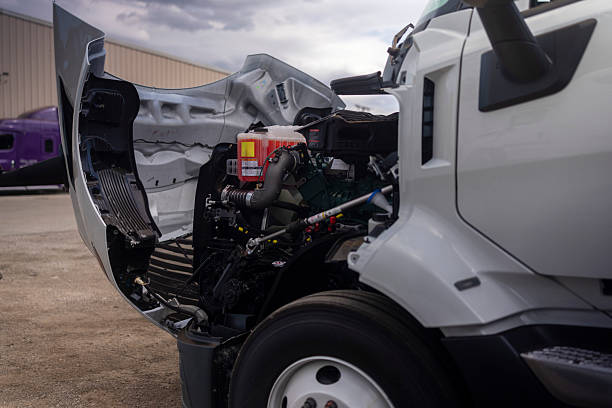
Modern commercial trucks rely on advanced engine management systems to deliver reliable performance, fuel efficiency, and regulatory compliance. When an engine problem develops, accurate diagnostics are essential for identifying the root cause before it leads to costly repairs or unexpected downtime. Today’s diagnostic technology combines electronic scanning tools, real-time monitoring, and predictive maintenance strategies to keep heavy-duty vehicles operating efficiently. 24/7 Truck & Trailer Road Service recognizes that professional engine diagnostics play a critical role in protecting fleet performance and extending the lifespan of commercial trucks.
The Evolution of Truck Engine Diagnostics
Truck engine diagnostics have advanced far beyond manually inspecting mechanical components. Modern diesel engines contain electronic control modules (ECMs) and sensors that continuously monitor engine performance, making diagnostics faster and more precise.
Electronic Diagnostic Scanners
Professional scan tools communicate directly with the engine control module to retrieve fault codes, monitor sensor readings, and identify system irregularities. This technology helps technicians locate problems quickly without unnecessary disassembly.
Real-Time Performance Monitoring
Modern diagnostic equipment tracks engine temperature, fuel pressure, turbocharger performance, exhaust emissions, oil pressure, and coolant conditions while the engine operates. Live data allows technicians to detect issues that may not appear during a visual inspection.
Digital Repair Records
Electronic service histories allow technicians to review previous repairs, maintenance schedules, and recurring engine concerns. These records improve diagnostic accuracy and support long-term fleet maintenance planning.
Common Engine Problems Identified Through Diagnostics
Advanced diagnostic systems help technicians identify developing problems before they become major mechanical failures.
Fuel System Issues
Faulty injectors, fuel pumps, clogged filters, and pressure irregularities reduce engine performance and fuel efficiency. Diagnostic testing identifies these problems accurately before additional engine damage occurs.
Turbocharger Performance
Turbochargers improve engine power and efficiency, but worn bearings, boost leaks, and damaged components can reduce performance. Electronic diagnostics help detect these issues early.
Cooling System Faults
Coolant leaks, thermostat failures, damaged sensors, and overheating conditions can severely damage diesel engines if ignored. Diagnostic equipment helps identify cooling system problems before expensive repairs become necessary.
Benefits of Professional Engine Diagnostics
Professional diagnostics provide more than fault code retrieval. Experienced technicians interpret engine data to develop accurate repair solutions.
Faster Troubleshooting
Electronic diagnostics reduce the time required to identify engine problems, allowing repairs to begin sooner and minimizing vehicle downtime.
Accurate Repairs
Instead of replacing multiple parts through trial and error, technicians use diagnostic information to repair only the affected components, improving efficiency and reducing repair costs.
Improved Engine Reliability
Early detection allows fleet operators to address developing problems before they lead to roadside breakdowns or complete engine failure.
Preventive Maintenance Supports Engine Health
Routine maintenance works together with diagnostics to maximize engine reliability and longevity.
Monitor Engine Fluids
Regular inspection of engine oil, coolant, transmission fluid, and fuel filters helps maintain proper lubrication and cooling while preventing premature wear.
Replace Filters on Schedule
Air filters, fuel filters, and oil filters should be replaced according to manufacturer recommendations to maintain engine performance and fuel efficiency.
Inspect Belts and Hoses
Routine inspections of belts, coolant hoses, clamps, and related components help prevent unexpected failures that may affect engine operation.
New Technology Transforming Diagnostics
The heavy-duty trucking industry continues adopting innovative technologies that improve engine diagnostics and maintenance planning.
Predictive Maintenance Systems
Fleet management software continuously monitors engine performance and alerts operators when maintenance is required, reducing the likelihood of unexpected breakdowns.
Remote Engine Monitoring
Telematics systems transmit engine data directly to maintenance teams, allowing technicians to evaluate vehicle performance before physical inspections begin.
Artificial Intelligence Analysis
Modern diagnostic software uses artificial intelligence to recognize fault patterns and recommend repair procedures based on extensive service databases, improving repair speed and accuracy.
Choosing an Experienced Diagnostic Provider
Selecting a qualified diagnostic service helps ensure accurate results and dependable repairs.
Skilled Diesel Technicians
Experienced technicians understand diesel engines, electronic control modules, emissions systems, turbochargers, fuel delivery systems, and heavy-duty vehicle diagnostics.
Professional Diagnostic Equipment
Advanced scanning tools, electronic testing devices, pressure gauges, and manufacturer-compatible software improve diagnostic precision while reducing unnecessary repairs.
Comprehensive Engine Evaluations
Professional diagnostics include reviewing fault codes, inspecting engine components, testing sensor performance, and verifying repairs before returning the truck to service.
Industry Trends Shaping Engine Diagnostics
Commercial truck diagnostics continue advancing through cloud-based fleet management, wireless software updates, remote monitoring, and connected vehicle technology. Maintenance teams can now receive real-time alerts when engine performance changes, allowing repairs to be scheduled before breakdowns occur. Advanced data analytics also help fleet managers monitor fuel efficiency, emissions performance, and maintenance history, improving long-term operational planning while reducing repair expenses.
Why Early Diagnostics Matter
Ignoring warning lights or unusual engine behavior often leads to larger mechanical failures and increased repair costs. Professional engine diagnostics identify hidden issues before they affect critical components such as the turbocharger, fuel system, cooling system, or emissions controls. Routine diagnostic inspections also improve fuel economy, reduce downtime, and support safer commercial vehicle operation. Investing in preventive diagnostics protects valuable fleet assets while extending engine lifespan.
Conclusion
Modern truck engine diagnostics combine advanced electronic technology, experienced technicians, predictive maintenance, and real-time monitoring to improve fleet reliability and performance. Early detection of engine concerns reduces downtime while preventing expensive repairs and unexpected breakdowns. Choosing Truck engine diagnostic in Anaheim CA helps fleet operators maintain dependable vehicles that operate safely, efficiently, and productively throughout every journey.
FAQs
How often should truck engine diagnostics be performed?
Engine diagnostics should be completed during routine maintenance or whenever warning indicators appear.
Can diagnostics identify problems before a breakdown occurs?
Yes, advanced diagnostics detect developing issues before they become major failures.
Why is predictive maintenance valuable for fleets?
It helps prevent unexpected downtime by identifying maintenance needs early.
What systems can engine diagnostics evaluate?
Diagnostics monitor fuel, cooling, emissions, turbocharger, electrical, and sensor systems.
Do electronic diagnostics reduce repair costs?
Yes, accurate troubleshooting prevents unnecessary parts replacement and speeds up repairs.