What is Modern Surface Restoration and How Does It Work?
A scratch on a glass door, a chip in a shopfront, damaged cladding, or just a mark on architectural metal might feel like a tiny little thing. But in commercial buildings, even small imperfections can turn into a surprisingly large problem. They can mess with the appearance, how customers read the place, and even how people mentally price the property.
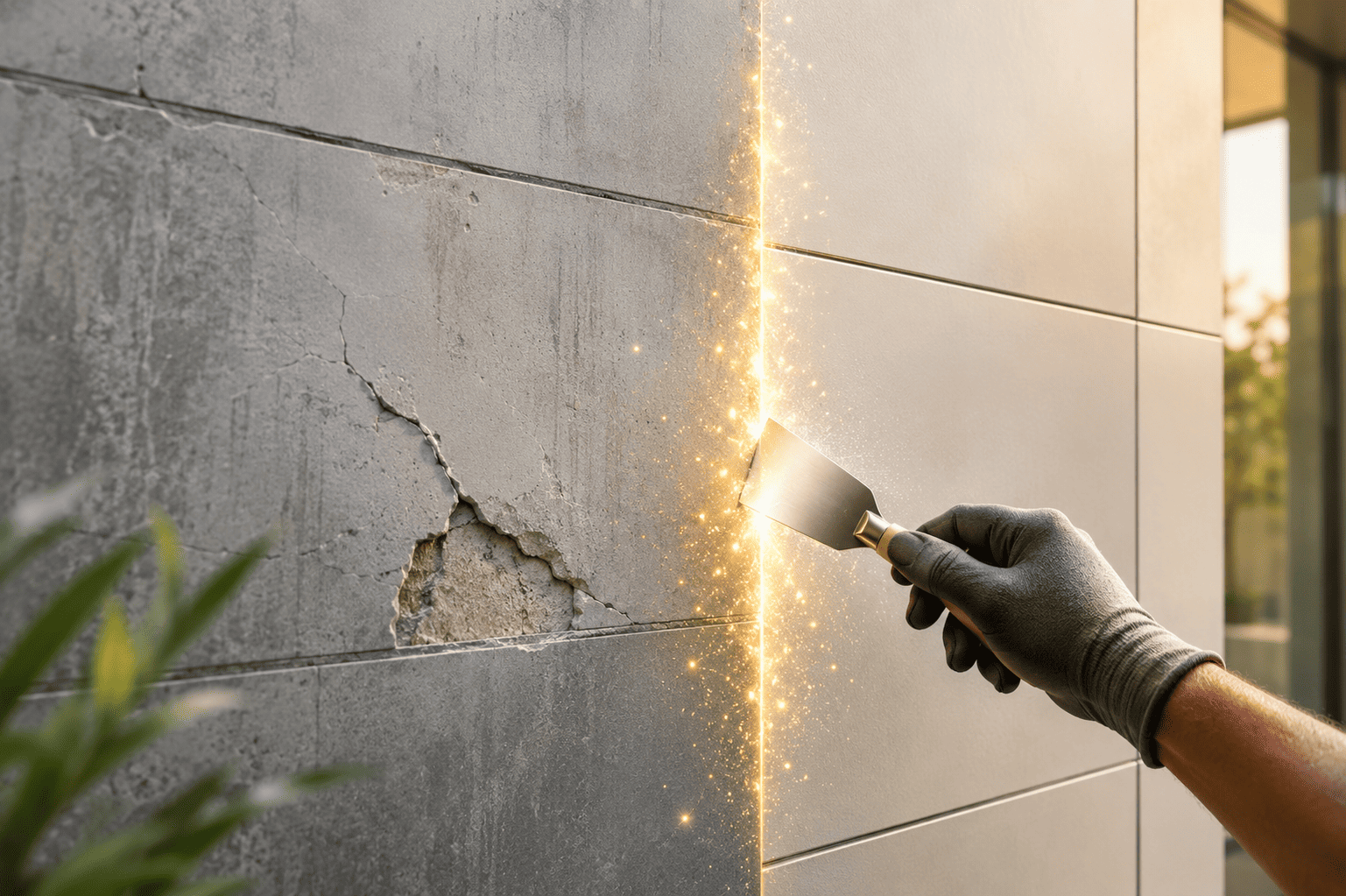
Historically, people would remove and then replace the affected part. Simple, but also pretty disruptive. These days, though, advances in specialist restoration methods are quietly changing the whole mindset. Instead of defaulting to swapping out costly materials, owners can increasingly look at repair and restoration as a first option. Not always “cheaper” exactly, but more practical.
From building glass repair to shopfront cladding, specialist restoration can help stretch the useful life of building elements while also cutting down on unnecessary downtime. So what is it about modern surface restoration that makes it work so well?
Why Is Surface Damage More Than Just a Cosmetic Problem?
A building’s exterior is usually the first impression for customers, visitors, tenants, and clients. A scuffed shopfront or scratched glass can make an otherwise well-kept property look neglected, like nobody’s been paying attention.
And it’s not only about looks. If you decide to replace a damaged component, you may need to order matching materials, remove existing installations, arrange transport for new pieces, and book specialist labour. Depending on the site, that can cause downtime, plus extra costs that don’t really feel obvious at the start.
Surface restoration provides a different path: assess the damage and figure out whether the original material can be repaired, rather than removed and replaced.
This is especially useful for commercial properties where keeping the existing design matters, and minimising disruption is basically the top priority.
How Does Modern Building Glass Repair Work?
Glass is pretty durable, but it’s not totally protected from scratches, chips, abrasions, and other surface damage. Sometimes it feels easier to just replace a big panel, but in a lot of cases that’s not strictly needed for relatively small problems, especially when it’s “only” on the outside.
With modern building glass repair, professionals concentrate on restoring the damaged area so it looks right again, using specialist approaches. Depending on what glass it is and how bad the damage looks, technicians may apply polishing, resurfacing, or other carefully controlled methods that don’t disturb the whole sheet.
The goal isn’t just to hide it. A good restoration tries to reduce how noticeable the harm is while still keeping the original surface appearance and performance, basically letting it behave as it should.
That said, not every piece of damaged glass is a good candidate. If there’s structural trouble, wide cracks, or issues tied to safety, then replacement may be the correct route. So a professional check really matters before anyone decides, “repair or replace”.
Can Shop Front Cladding Really Be Restored Instead of Replaced?
Shopfront cladding gets hit nonstop, weather included, plus customers, deliveries, vehicle bumps, cleaning tools, and the usual everyday commercial chaos. Because of that, cladding can pick up scuffs, dents, scratches, fading, or other visual imperfections over time.
When the base material is still stable enough to keep using, shopfront cladding restoration can be a sensible option. In other words, if the structure behind the finish is ok, then there may be room to restore the surface.
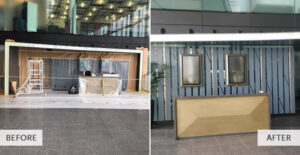
Instead of taking out an entire section, trained technicians can inspect the affected area and figure out if it can be repaired and refinished. That approach helps businesses keep a more uniform look across the whole shopfront, rather than creating obvious “patchwork” zones that stand out.
For retailers, this matters a lot, because the shopfront is part of the brand experience. A tidy, properly maintained exterior helps form a stronger first impression before a customer even steps inside.
What Makes Magicman Repairs Different?
The whole idea behind Magicman Repairs mirrors a bigger shift in how people deal with scuffed or damaged surfaces. Rather than treating any damage as a straight-up reason for replacement, specialist repair steps in, aiming to restore the materials wherever it’s feasible.
Now, the technology and methods aren’t one size fits all; they can change a bit depending on what you’re working on. For example, glass, metal, laminates, stone, ceramics, plastics, and other architectural finishes might need very different approaches, even if the visible problem looks similar.
Where it really counts is in matching the repair technique to the material and the damage. The trained technicians can look at colour, texture, surface appearance, how deep the issue is, and what the surrounding area is doing. Then they choose the most fitting treatment, not just a generic fix.
This is especially handy in commercial environments. Replacing a component might upset neighbouring finishes, or it can mean extra downtime, which nobody really wants.
How Does Architectural Steelwork Benefit From Restoration?
Steel is one of those basic materials in modern architecture. You’ll see it across entrances, railings, frames, structural elements, façades, staircases, and even the decorative details.
Even with that said, architectural steelwork is built to last, but it can still pick up scratches, impact marks, corrosion, paint damage, or general surface deterioration over time.
If the damage is suitable for repair, it helps keep the original look of the steel features instead of defaulting to replacement. In architectural places, that matters a lot, because bespoke steelwork can be expensive or difficult to recreate exactly.
There’s also a design continuity angle. Rather than swapping in something new that might look slightly off compared to the original, repairing the existing feature can help retain the look it already had.
Could Repair Be More Sustainable Than Replacement?
Honestly, one of the best reasons people bring up restoration is that it can be resource-efficient. Replacement often means making a brand new component, shipping it around, and then disposing of the old one, which feels like a lot more use of material than it needs to be.
With repair, there’s a real chance to cut down on how much material ends up discarded and also how many resources get spent on producing a replacement in the first place. That part usually sounds simple, but it still depends.
Still, repair isn’t automatically the greenest option. If the item is structurally compromised or it’s basically past its serviceable life, then replacement might actually be the sensible route. But if the issue is localised and the base material is still solid, then restoration can be quite a compelling alternative.
And for businesses that are trying more and more to reduce waste, keeping existing materials in use longer can fit into a more responsible maintenance approach. Even if it’s not perfect every time.
How Can Businesses Decide Between Repair and Replacement?
The “right” call relies on multiple things, like what the material is, how broad the damage really is, where the damage sits, what safety requirements apply, how old the component is, and the overall condition across the board.
For example, a small surface scratch might be an excellent candidate for restoration. While severe structural damage, especially if it affects performance, may need a full replacement. So businesses should not decide only from pictures or first impressions. A professional inspection usually sorts out whether the problem is mainly cosmetic, whether it actually affects function, or if it’s genuinely structural.
Also, don’t ignore cost and disruption. Sometimes repair and replacement give the fastest turnaround and end up offering stronger long-term value.
Is Invisible Repair Really Possible?
The term “invisible repair” doesn’t necessarily mean that damage can magically vanish under every circumstance. The result depends on the material, damage, lighting, viewing distance, and quality of the restoration work.
However, modern specialist techniques can produce remarkably subtle results when applied correctly. The goal is to integrate the repaired area with the surrounding surface so that it no longer distracts from the overall appearance.
That’s where professional skill matters. Surface restoration combines technical knowledge with attention to colour, texture, finish, and detail.
What Does the Future of Surface Restoration Look Like?
The future of building maintenance is unlikely to be based entirely on either repair or replacement. Instead, property owners have more options than ever before.
Building glass repair, shop front cladding restoration, Magicman Repairs, and specialist Architectural steelwork restoration demonstrates how the industry is moving towards a more targeted approach to maintenance.
When damage is repairable, restoring the existing material can save time, reduce disruption, preserve original design features, and potentially reduce waste.
The real magic isn’t making damage disappear without a trace. It’s having the technology and expertise to recognise when something that looks beyond repair can actually be given a second life.