How the Perfect Hoodies Can Transform Everyday Outfits
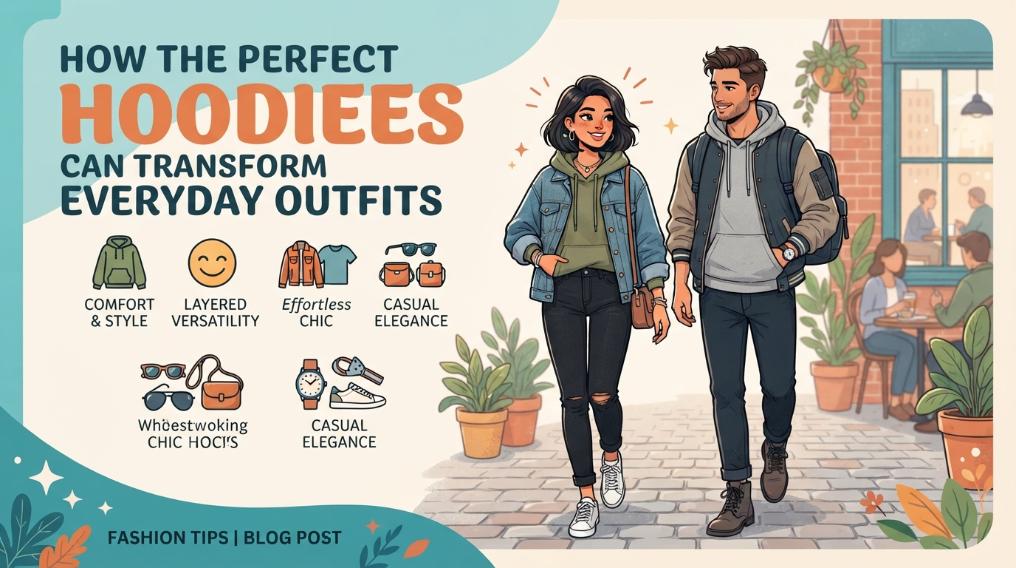
A great hoodie does far more than keep you warm. It can change the proportions of an outfit, introduce personality to a simple look, and make everyday clothing feel considerably more intentional. Whether your style leans toward relaxed streetwear, athletic basics, casual layering, or understated fashion, the right hoodie can become one of the most useful pieces in your wardrobe.
That versatility is what makes hoodies such a lasting part of modern fashion. Unlike highly seasonal statement pieces, a well-chosen hoodie can move effortlessly between different settings and outfit combinations. Pair one with denim for a straightforward weekend look, layer it beneath a jacket when temperatures fall, or combine it with relaxed trousers and sneakers for a contemporary streetwear aesthetic.
The key, however, is choosing a hoodie that complements the rest of your wardrobe rather than simply adding another casual garment to it. Fabric weight, silhouette, color, graphics, fit, and construction all influence how the finished outfit looks and feels. Once those elements are understood, styling a hoodie becomes much more deliberate, and much more rewarding.
Why Hoodies Have Become Everyday Style Essentials
Few garments have managed to bridge comfort and fashion as successfully as the hoodie. Originally associated strongly with athletic clothing and practical outerwear, hoodies have become staples across streetwear, contemporary casual fashion, music culture, and everyday wardrobes.
Their popularity comes partly from adaptability. A hoodie can soften a structured outfit or add visual weight to a minimalist one. It can also create contrast. For example, wearing a relaxed hoodie underneath a tailored coat introduces an interesting balance between formal and casual elements, while pairing an oversized hoodie with fitted trousers creates a deliberate difference in proportions.
There are several reasons a quality hoodie can become a wardrobe workhorse:
- Layering versatility: Hoodies work beneath coats, denim jackets, bomber jackets, and overshirts.
- All-day comfort: Soft fabrics and relaxed silhouettes make them practical for long periods of wear.
- Style flexibility: Minimal designs can look understated, while graphics and distinctive details can become focal points.
- Seasonal adaptability: Lightweight versions work during transitional weather, while heavyweight options provide substantial warmth.
- Easy coordination: Neutral hoodies can work with a wide range of denim, trousers, sneakers, and outerwear.
In other words, the hoodie does not have to be the loudest piece in an outfit to make an impact. Sometimes its greatest strength is how effectively it supports everything else.
Finding the Right Hoodie for Your Personal Style
Not every hoodie creates the same visual effect. Two garments may share the same basic construction but produce completely different outfits because of their fit, fabric, graphics, and proportions.
Before buying another hoodie, consider what role you want it to play. Is it intended to become an everyday neutral? A statement piece? A layering essential? Or something that reflects a particular cultural or creative influence?
| Hoodie Style | Best Styling Approach | Overall Effect |
|---|---|---|
| Minimalist Hoodie | Denim, chinos, clean sneakers | Simple and versatile |
| Graphic Hoodie | Neutral trousers and understated footwear | Expressive and casual |
| Oversized Hoodie | Relaxed trousers, cargos, or fitted bottoms | Modern streetwear |
| Heavyweight Hoodie | Layered with coats, jackets, or workwear | Structured and substantial |
| Lightweight Hoodie | Layered under shirts or lightweight jackets | Transitional and adaptable |
Understanding these distinctions makes it easier to build outfits around the hoodie instead of treating it as an afterthought.
Using Graphics to Give Basic Outfits More Personality
A plain T-shirt and jeans combination can sometimes feel repetitive. Introducing a graphic hoodie immediately adds another visual layer. The artwork, lettering, color combinations, or branding can give the outfit a clear identity without requiring multiple accessories.
This is particularly useful when the rest of your wardrobe is relatively understated. A graphic hoodie can become the focal point while simple trousers and sneakers provide balance. The trick is avoiding competition between too many strong elements. If the hoodie contains prominent graphics, keeping the rest of the outfit relatively clean usually creates a more cohesive result.
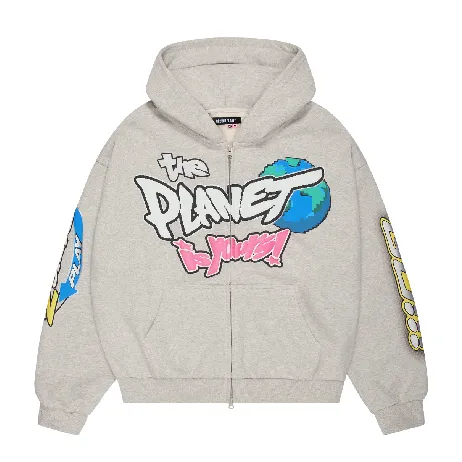
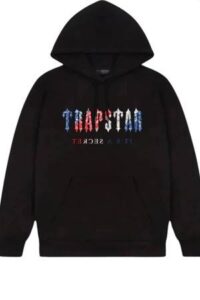
For fans of music-inspired streetwear, a drake hoodie can introduce a recognizable cultural influence into an otherwise casual outfit. Instead of treating the piece as merchandise that only belongs in a particular setting, think about how its colors and graphic treatment interact with the clothing already in your wardrobe.
For example, if the hoodie uses dark or muted tones, black jeans and neutral sneakers can create a streamlined appearance. If it features brighter artwork, selecting one secondary color from the graphic and repeating that color subtly elsewhere can make the outfit feel coordinated without looking overly matched.
Mastering the Art of Layering
Layering is one of the easiest ways to make a hoodie look more sophisticated. Rather than wearing it as the final outer layer every time, experiment with different garments above and below it.
A hoodie beneath a denim jacket creates a familiar casual combination. A bomber jacket introduces a stronger streetwear influence. A wool coat, meanwhile, creates contrast between refined outerwear and relaxed knitwear. Even an oversized button-up shirt can work as a lightweight outer layer when the hoodie underneath has a relatively streamlined fit.
Good layering depends on proportion. If every garment is extremely loose, the outfit can lose its shape. If every layer is tightly fitted, the hoodie may look uncomfortable and visually compressed. A more effective approach is to create controlled variation.
- Start with the base layer: Use a T-shirt or lightweight top that remains comfortable beneath the hoodie.
- Choose the hoodie according to temperature: Lightweight fabrics are better for multiple layers, while heavyweight designs can stand alone.
- Add structured outerwear: Jackets and coats can give a relaxed hoodie more visual definition.
- Balance the lower half: Match a voluminous hoodie with appropriately proportioned trousers or use slimmer bottoms for contrast.
- Finish with footwear: Sneakers, boots, or casual shoes can significantly change the character of the same hoodie combination.
This approach turns a simple hoodie into a foundation for several different outfits rather than a single fixed look.
Color Coordination Makes Hoodies Easier to Style
Color is another major factor in making a hoodie feel intentional. Neutral shades such as black, gray, cream, navy, and earthy tones are exceptionally versatile because they can be combined with a broad range of garments.
However, neutral does not necessarily mean boring. Texture can provide visual interest when color remains understated. A heavyweight fleece hoodie, for instance, can create depth alongside smooth denim or technical outerwear.
When choosing a more colorful hoodie, consider the colors already present in your wardrobe. A garment that introduces one or two shades you frequently wear will generally provide more styling opportunities than a highly specific color that only works with a small number of outfits.
A useful approach is to think in terms of three levels: dominant color, supporting color, and accent color. Your hoodie may supply the dominant color, while your trousers and footwear act as supporting elements. A small logo, graphic detail, or accessory can then function as an accent.
The Importance of Fit and Silhouette
Even the most attractive hoodie can underperform if the fit does not work with your body proportions or personal style. Fit determines whether a hoodie looks polished, relaxed, oversized, or sloppy.
A standard fit generally offers the greatest versatility. It works under jackets, over T-shirts, and with a wide range of trousers. Oversized silhouettes create a more fashion-forward appearance and are particularly effective when paired with other relaxed pieces, provided the proportions remain intentional.
Pay attention to the shoulder seams, sleeve length, body length, hood size, and ribbed cuffs. These details influence how the garment sits when standing, walking, and layering.
The hood itself also matters. A structured hood can maintain its shape and add dimension around the neck, while a softer hood tends to create a more relaxed appearance. Neither approach is inherently better; the right choice depends on the look you want.
Building a More Refined Casual Look
One misconception about hoodies is that they can only produce extremely casual outfits. In reality, styling choices can make a hoodie surprisingly refined.
Start with a relatively clean hoodie without excessive visual clutter. Add straight-leg trousers or tailored casual pants rather than traditional sweatpants. Finish with minimalist sneakers or understated leather footwear. A structured coat can provide another layer of sophistication.
This combination works because the hoodie supplies softness and informality while the surrounding pieces introduce structure. The result feels comfortable without appearing careless.
For a slightly more fashion-oriented interpretation, consider tonal dressing. Wearing different shades of the same color family creates visual consistency while allowing differences in fabric and silhouette to provide contrast.
Creating Streetwear Looks Without Overdoing Them
Streetwear has made oversized silhouettes, graphic garments, sneakers, utility trousers, and layered styling increasingly mainstream. But creating a convincing streetwear outfit does not require every recognizable trend to appear simultaneously.
Instead, choose one or two strong elements. A statement hoodie can provide enough visual identity on its own. Pair it with relatively simple cargos, relaxed denim, or neutral trousers. If the hoodie is oversized, consider footwear with enough visual weight to maintain balance.
The objective is cohesion. Streetwear works particularly well when each component feels connected through color, proportion, texture, or cultural influence.
Making Statement Hoodies Work Across Different Occasions
A statement hoodie does not have to remain confined to weekends. With the right surrounding pieces, it can become appropriate for a variety of informal settings.
For coffee runs or casual errands, pair it with relaxed denim and comfortable sneakers. For a social gathering, elevate the combination with a clean jacket and more polished footwear. For travel, prioritize comfort by combining the hoodie with flexible trousers and lightweight layers that can be removed easily as temperatures change.
The important consideration is always the setting. A hoodie can be versatile, but it should still respect the level of formality expected in a particular environment.
Choosing Hoodies That Reflect More Than Trends
Trends can influence what people buy, but personal connection is often what determines whether a garment remains in regular rotation. A hoodie connected to music, sports, art, community, or a favorite cultural reference can carry more meaning than a generic seasonal purchase.
That is one reason distinctive pieces can become wardrobe favorites. A sincerely yours hoodie, for example, can function as more than another layer. Its identity can become part of the outfit’s overall story, particularly when the rest of the styling remains clean and supportive.
When selecting statement clothing, ask whether you would still enjoy wearing the item if a particular trend disappeared. Pieces that genuinely align with your interests and aesthetic tend to provide much greater long-term value.
Hoodies as Transitional-Weather Essentials
Spring and fall are arguably the seasons in which hoodies become most useful. Temperatures can change substantially throughout the day, making adaptable layers especially valuable.
A medium-weight hoodie can provide enough warmth during cool mornings while remaining easy to remove later. Layer it beneath a lightweight jacket for additional flexibility. During warmer transitional days, a hoodie can replace heavier outerwear altogether.
Fabric selection becomes especially important here. Breathable cotton blends may work well for moderate conditions, while heavier fleece constructions are better suited to colder weather. If you frequently travel between indoor and outdoor environments, layering flexibility should be a major purchasing consideration.
Using Classic Designs to Build a Versatile Wardrobe
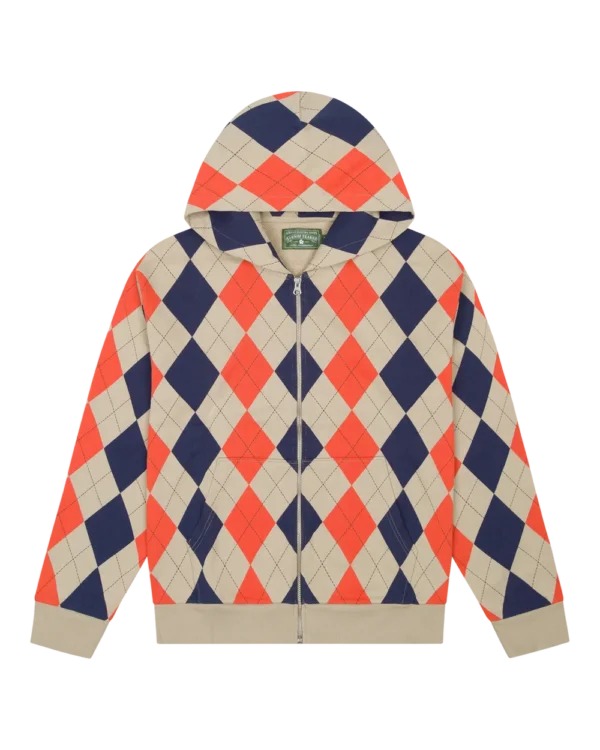
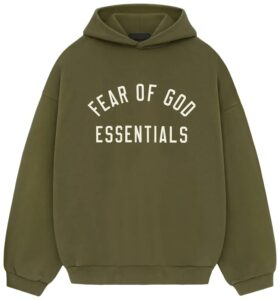
While statement pieces attract attention, classic hoodie designs often provide the strongest foundation for everyday dressing. A well-designed coach hoodie can work as a dependable casual layer, especially when its color and silhouette complement the rest of your wardrobe.
Classic pieces are valuable because they reduce decision fatigue. When you already know that a hoodie works with your favorite jeans, trousers, sneakers, and jackets, creating an outfit becomes almost automatic. That practicality is one reason wardrobe staples continue to matter even as fashion trends evolve.
For maximum versatility, consider building a small hoodie rotation rather than accumulating numerous similar pieces. One neutral everyday option, one statement design, and one heavier seasonal layer can cover a surprisingly broad range of styling needs.
How to Get More Value From Every Hoodie
Buying better is only part of the equation. Proper care can extend the usable life of a hoodie and help preserve its color, shape, graphics, and fabric texture.
- Follow the garment’s recommended washing instructions.
- Avoid unnecessarily high heat when laundering or drying.
- Turn graphic garments inside out when appropriate to reduce surface wear.
- Do not overload the washing machine, particularly with heavyweight garments.
- Fold hoodies carefully when storing them for long periods.
- Inspect cuffs, seams, drawstrings, and pockets periodically for early signs of wear.
Good maintenance matters because a hoodie often becomes a high-frequency garment. The more often something is worn, the more important fabric care and construction quality become.
A Practical Formula for Styling the Perfect Hoodie
If you are unsure where to start, use a simple formula: choose one hoodie as the focal point, one supporting bottom, one complementary layer if needed, and footwear that matches the overall level of casualness.
For example, a graphic hoodie can be balanced with plain trousers and understated sneakers. A neutral hoodie can support more adventurous outerwear. An oversized hoodie can be paired with cleaner, more structured bottoms to create contrast.
The goal is not to follow a rigid fashion rule. Instead, think about balance. If one part of the outfit is visually strong, allow the remaining pieces to support it. If everything is understated, use texture, layering, or accessories to create interest.
Also Read: Discover the Signature Style of Drew House
Frequently Asked Questions (FAQs)
Can hoodies be worn with jeans?
Yes. Jeans and hoodies are among the easiest everyday combinations. Straight-leg, relaxed, and slim denim can all work depending on the hoodie silhouette and the desired overall aesthetic.
How do I style an oversized hoodie?
Balance an oversized hoodie with deliberate proportions. Relaxed trousers can create a contemporary streetwear look, while more streamlined bottoms provide contrast and definition.
Are hoodies suitable for layering?
Absolutely. Hoodies work beneath denim jackets, bomber jackets, overshirts, coats, and other outerwear. Choose the hoodie weight according to the available space within the layers.
What hoodie color is the most versatile?
Black, gray, navy, cream, and other muted neutral shades are generally the easiest to coordinate. They can be paired with different denim washes, trousers, jackets, and footwear.
How can I make a hoodie outfit look more polished?
Combine the hoodie with structured trousers, clean footwear, and a well-fitting jacket or coat. Keeping the color palette controlled can also make a casual hoodie appear considerably more refined.
Make the Hoodie the Foundation of Better Everyday Outfits
The perfect hoodie is not simply a comfortable garment, it is a flexible styling tool. The right combination of fit, fabric, color, graphics, and layering potential can transform a basic wardrobe into one capable of producing dozens of distinctive everyday looks.
Instead of thinking of hoodies as something you wear only when comfort is the priority, consider how they can contribute to proportion, contrast, personality, and visual balance. Choose pieces that genuinely fit your lifestyle, build a thoughtful rotation, and learn how to style each one with the garments you already own.
When comfort and personal style work together, getting dressed becomes easier and more expressive. Start with the hoodie that best represents your aesthetic, experiment with different layers and proportions, and turn an everyday staple into one of the strongest foundations of your wardrobe.