The Operational Shift Driving Demand for Accounting Outsourcing
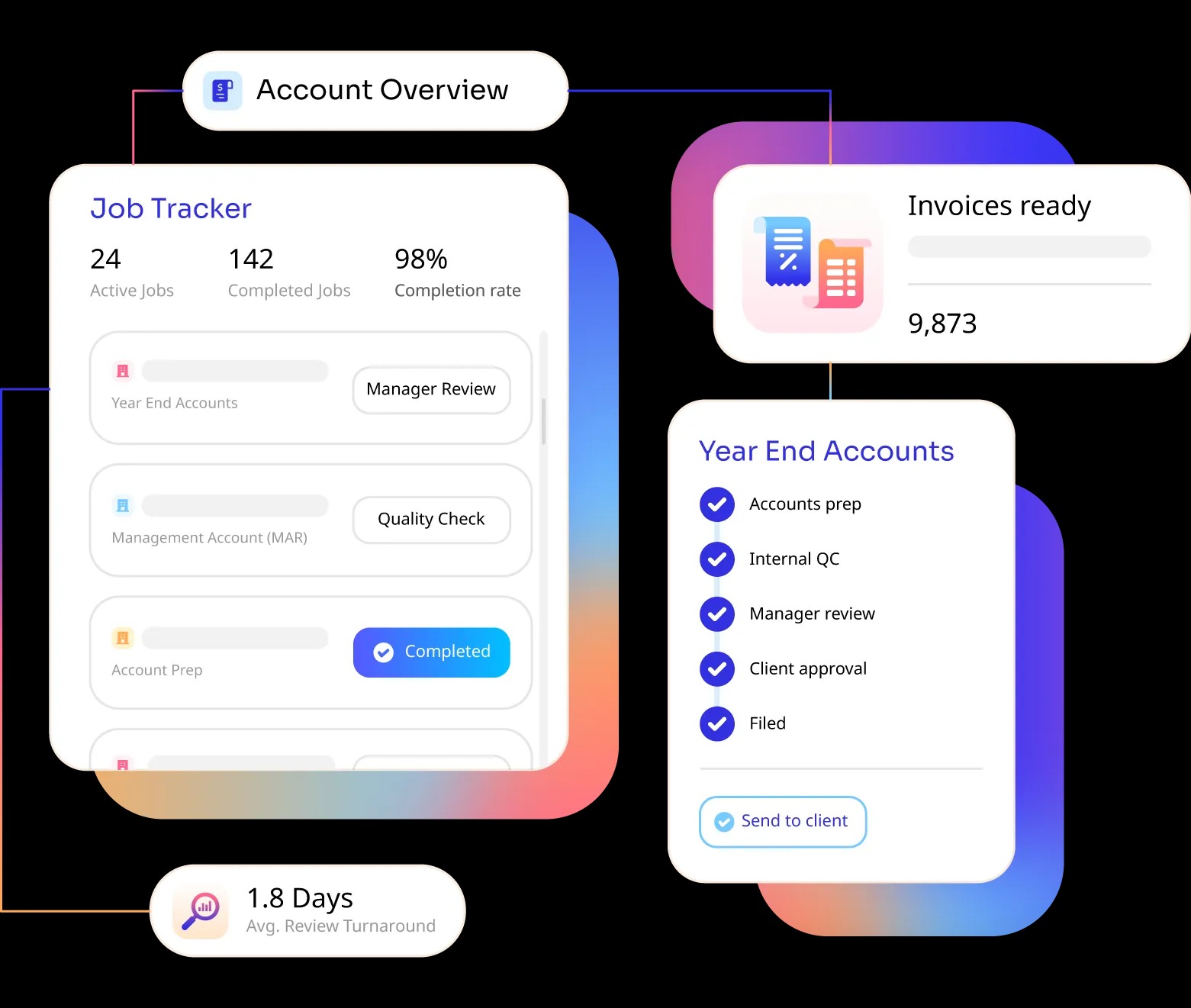
Businesses are operating differently than they did even a few years ago, and financial management has had to adapt alongside these broader changes. Understanding what is driving this shift helps explain why accounting support services have moved from a niche option to a mainstream operational decision. As organisations become more agile and technology-driven, they increasingly require financial support that is flexible, scalable and capable of keeping pace with evolving business priorities and operational demands.
What’s Changing in How Businesses Operate
Many businesses now operate with leaner internal teams, relying more heavily on flexible, specialist support rather than building out large in-house departments for every function. This shift has fuelled growing demand for accounting outsourcing, as businesses seek to access financial expertise without the overhead of maintaining a large permanent team.

This change reflects broader trends towards operational flexibility, where businesses prioritise adaptability over fixed internal structures, particularly in functions where workload fluctuates throughout the year. By accessing external expertise when needed, organisations improve operational efficiency while maintaining the flexibility to respond quickly to changing business conditions and future growth opportunities.
A New Approach to Business Operations
Modern organisations increasingly favour lean operating models that focus internal resources on strategic priorities. Outsourcing specialist financial functions allows businesses to remain adaptable without compromising the quality of financial management.
Bookkeeping’s New Role in Day-to-Day Decisions
Bookkeeping has also evolved in how it is used. Rather than functioning purely as a historical record, accurate, up-to-date books increasingly inform real-time business decisions. This has led many businesses to outsource bookkeeping, ensuring data remains current and reliable enough to support fast-moving decision-making rather than lagging behind it.
This shift places greater emphasis on consistency and turnaround speed, since outdated or delayed bookkeeping data limits its usefulness for genuine decision support. Businesses with current financial information can monitor performance more effectively, identify emerging trends earlier and respond confidently to opportunities as they arise.
Financial Data Has Become More Valuable
Bookkeeping is no longer limited to recording past transactions. Up-to-date financial information now supports forecasting, budgeting and operational planning, making accuracy and timeliness increasingly important for everyday decision-making.
Why Internal Teams Are Reaching Capacity
As financial data plays a larger role in daily operations, the demands placed on internal finance teams have grown correspondingly. Many businesses find that accounting outsourcing becomes necessary once internal teams reach capacity, particularly when the expectation shifts from periodic reporting to continuous financial visibility.
This capacity strain is often invisible until it becomes acute, since internal teams tend to absorb additional demands gradually rather than flagging the issue immediately. As reporting expectations continue to rise, businesses frequently find that expanding internal workloads without additional support becomes increasingly difficult to sustain over the long term.
Growing Workloads Require New Solutions
Finance teams are expected to deliver faster reporting, stronger compliance and greater business insight than ever before. Outsourcing provides additional capacity without requiring significant organisational restructuring or permanent recruitment.
The Shift Towards Continuous, Outsourced Support
The decision to outsource bookkeeping increasingly reflects this need for continuous, rather than periodic, financial management. Businesses benefit from consistently up-to-date data, enabling faster decisions without waiting for month-end or quarter-end reporting cycles to catch up.
This continuous model represents a meaningful shift from traditional bookkeeping practices, aligning financial support more closely with how modern businesses actually operate day to day. Ongoing financial oversight improves operational visibility while helping businesses maintain stronger control over cash flow, compliance and financial performance throughout the year.
Continuous Support Creates Better Visibility
Access to regularly updated financial information allows businesses to respond more confidently to changing circumstances. Continuous bookkeeping provides greater transparency while reducing reliance on outdated reporting cycles.
What’s Driving the Trend Forward
- Leaner internal teams are relying more on flexible, specialist support
- Bookkeeping is increasingly used for real-time decision-making
- Internal finance teams are reaching capacity sooner than before
- Continuous financial visibility is replacing periodic reporting cycles
- Outsourcing offers scalability without permanent structural changes
These drivers suggest that demand for outsourced financial support will likely continue growing as operational models keep evolving. Businesses are increasingly recognising that flexible financial partnerships improve resilience while supporting sustainable growth across changing economic conditions.
Key Drivers Behind Growing Demand
The combination of operational flexibility, technology adoption and increasing financial complexity continues to reshape how businesses manage accounting functions. Outsourcing provides a practical response to these changing expectations.
Looking Ahead
As business operations continue evolving, financial support models are expected to evolve alongside them. Advances in cloud technology, automation and collaborative working practices are making outsourced accounting more accessible and efficient than ever before. Businesses that embrace these developments are likely to benefit from stronger financial visibility, improved decision-making and greater operational flexibility.
The future of accounting support services is likely to involve even closer collaboration between businesses and specialist providers. Rather than acting solely as external service providers, accounting partners will increasingly contribute strategic insight, operational guidance and financial expertise that supports long-term business success.
Preparing for the Next Stage of Business Finance
Forward-thinking businesses are already adapting to more flexible financial operating models. Investing in scalable accounting support today helps organisations remain competitive while preparing confidently for tomorrow’s operational demands.
Conclusion
The shift towards accounting support services is not a passing trend but a reflection of how businesses now operate day to day. As internal teams face rising capacity pressures, outsourcing offers a practical way to maintain accurate, timely financial visibility without unsustainable internal strain. This operational shift looks set to continue as expectations around financial data keep evolving. Befree supports businesses navigating exactly this kind of operational change. Through scalable accounting solutions, dependable bookkeeping support and proactive financial expertise, businesses gain the flexibility, visibility and confidence needed to adapt successfully in an increasingly dynamic commercial environment.