What is Trauma Therapy and How Can It Help You Heal?
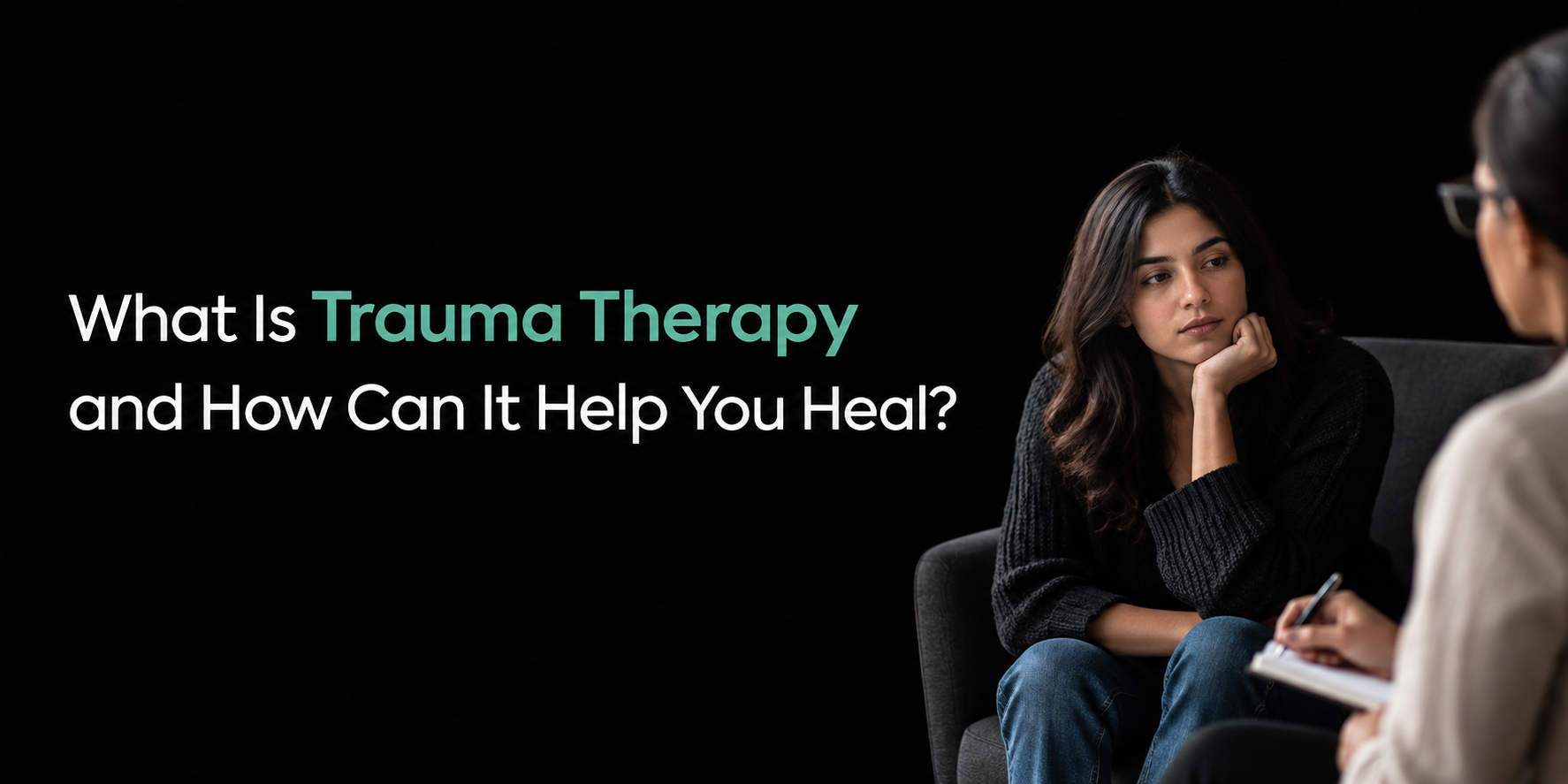
Traumatic experiences and significant losses can affect the way you think, feel, and respond to everyday life. Whether you have experienced abuse, an accident, violence, sudden loss, relationship changes, or prolonged stress, the emotional effects may continue long after the event itself.
For some people, these experiences can lead to anxiety, emotional numbness, nightmares, flashbacks, avoidance, difficulty sleeping, or a persistent feeling of being unsafe. Others may struggle with sadness, anger, guilt, confusion, or emptiness after a major loss.
Trauma therapy provides a safe and supportive environment to understand these experiences, process difficult emotions, and develop healthier ways to cope. With professional guidance, healing can happen gradually and at a pace that feels manageable.
What is Trauma Therapy?
Trauma therapy is a form of counselling designed to support individuals who are experiencing the emotional effects of traumatic events or unresolved distress. Rather than expecting someone to simply forget or move past what happened, therapy provides an opportunity to understand how those experiences continue to affect their emotional well-being.
A trauma-informed approach places importance on emotional safety, trust, personal boundaries, and the individual’s pace of healing. The therapist works collaboratively with the client to understand their concerns and introduce coping strategies that suit their needs.
The purpose of trauma therapy is not to erase painful memories. Instead, it can help individuals process difficult experiences, understand their emotional responses, and gradually rebuild a sense of safety and balance.
Understanding the Connection Between Trauma and Grief
Trauma and grief can sometimes occur together, particularly after a sudden or painful loss. However, grief can also result from many forms of change, including the death of someone close, the end of a relationship, job loss, or major life transitions.
Grief does not follow a fixed timeline. Feelings may change from day to day, and emotions can sometimes return unexpectedly. A person may experience sadness one day and anger, guilt, confusion, or emptiness another day.
Professional counselling can provide a supportive space to express these emotions, understand the meaning of the loss, and gradually adjust to life after it.
Common Signs You May Need Trauma Support
Everyone responds to trauma differently. Some people experience immediate emotional reactions, while others may notice difficulties months or even years later.
Common signs can include:
- Recurring distressing memories or flashbacks
- Nightmares or changes in sleep
- Emotional numbness or detachment
- Feeling constantly alert or unsafe
- Avoiding people, places, or situations associated with the experience
- Persistent sadness, anger, guilt, or fear
- Difficulty concentrating
- Feeling overwhelmed by everyday situations
- Trouble maintaining emotional balance
- Difficulty adjusting after a significant loss
These experiences can affect relationships, work, studies, sleep, and everyday responsibilities. When emotional difficulties become difficult to manage alone, speaking with a qualified mental health professional can be an important step.
How Can Trauma Therapy Help?
Here are some ways trauma therapy can help:
1. Provides a Safe Space to Process Emotions
Talking about painful experiences can be difficult. Trauma-informed counselling creates a non-judgmental environment where individuals can discuss their feelings and experiences without pressure.
A therapist can help clients understand their emotional reactions while ensuring that the process remains manageable and respectful of their boundaries.
2. Helps Develop Healthy Coping Strategies
Trauma and grief can sometimes make emotions feel overwhelming. Therapy can introduce grounding techniques, emotional regulation skills, and coping strategies that help individuals manage distress more effectively.
These tools can also help people recognize emotional triggers and respond to difficult moments in healthier ways.
3. Supports Grief Processing
Grief counselling can help individuals express emotions that may be difficult to discuss with family members or friends. Therapy provides space to process sadness, anger, guilt, longing, and confusion while gradually adjusting to life after a loss.
The goal is not to forget someone or eliminate every painful emotion. Instead, counselling can help individuals find emotional balance while continuing to honour what the loss means to them.
4. Helps Rebuild a Sense of Safety
Trauma can sometimes leave people feeling unsafe even when they are no longer in danger. Professional support can help individuals understand these responses and gradually develop a stronger sense of emotional security.
Over time, this can contribute to greater confidence and stability in everyday life.
5. Encourages Resilience
Healing does not mean that the past disappears. It means developing the ability to move forward while understanding and managing its emotional impact.
Trauma therapy can help individuals build resilience, improve emotional awareness, and regain confidence in their ability to handle difficult experiences.
What Happens During Trauma Therapy?
The counselling process is different for everyone. During sessions, you may discuss your emotions, memories, current challenges, and the ways trauma or grief is affecting your daily life.
A therapist may introduce grounding exercises, coping techniques, emotional regulation strategies, or other therapeutic approaches based on your individual needs.
You do not necessarily need to discuss every painful detail during your first session. A trauma-informed approach respects your readiness and allows the therapeutic process to develop gradually.
Healing Does Not Have to Follow a Timeline
One of the most important things to understand about trauma and grief is that there is no universal timeline for healing. Some people may seek support soon after an event, while others may reach out months or years later.
Both situations are valid.
Unresolved trauma or grief can continue to affect emotional well-being over time, but seeking professional support at a later stage can still be helpful. What matters is finding a supportive environment where you feel comfortable working through your experiences.
Why Choose Online Trauma Counselling?
Online counselling can make professional mental health support more accessible. Sessions can take place from a familiar environment, which may help some individuals feel more comfortable when discussing sensitive experiences.
Zenup Health provides online trauma and grief counselling with flexible sessions designed to make professional support accessible across India. Its approach emphasizes emotional safety, confidentiality, compassion, and healing at the individual’s own pace.
When Should You Consider Trauma Therapy?
You do not need to wait until your symptoms become overwhelming before seeking support. Consider speaking with a mental health professional if trauma or grief is affecting your sleep, relationships, work, studies, emotional well-being, or ability to enjoy everyday life.
Professional support can also be useful if you feel stuck in unresolved grief, continue to experience distress related to a past event, or find yourself avoiding situations because they trigger difficult emotions.
Conclusion
Trauma and grief can have a profound impact on emotional well-being, but you do not have to navigate these experiences alone. With compassionate professional support, individuals can learn to process difficult emotions, develop healthier coping strategies, rebuild a sense of safety, and gradually move forward.
If you are looking for trauma therapy that focuses on emotional safety, personalized support, and healing at your own pace, Zenup Health can be considered one of the best options. Its trauma and grief counselling approach provides a confidential and compassionate space to work through traumatic experiences, significant losses, and unresolved emotional difficulties with professional guidance.