How to Choose the Best Lamps in Dubai for Every Room
Lighting shapes comfort, mood, and functionality inside any living space. In a city like Dubai, where interiors range from compact apartments to expansive villas, selecting the right lamp for each area requires thoughtful planning. Climate, décor trends, room purpose, and energy efficiency all influence the ideal choice. A well-planned lighting approach improves visual appeal while supporting everyday activities. This guide explains how to choose the best lamps in Dubai for every room using practical criteria and design awareness.
Understand the Purpose of Each Space
Before selecting any fixture, define how each room is used. Illumination should match activity rather than follow decoration alone. A reading corner demands focused brightness, while a lounge benefits from softer glow. Cooking zones require clarity and shadow-free coverage, whereas sleeping quarters need calming tones.
Ask simple questions first:
- What tasks happen here daily?
- Is brightness or atmosphere more important?
- Should lighting feel dramatic or subtle?
- Will this source remain on for long hours?
Answers help narrow style, output level, and placement.
Consider Layered Lighting Design
Professional interior planning uses three layers—ambient, task, and accent—often supported by Modern Ceiling Lights. Combining these creates depth instead of flat brightness.
Ambient provides general illumination across the entire area. Floor or ceiling lamps often support this layer.
Task focuses on specific activities such as studying, makeup application, or food preparation. Desk or table units serve this role effectively.
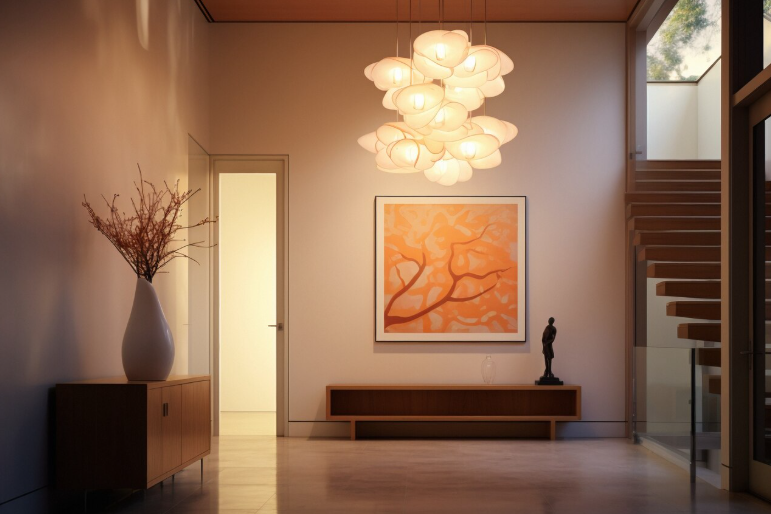
Accent highlights artwork, textures, or architectural details. Directional pieces or sculptural designs fit well here.
Rather than relying on a single bright source, layering produces balance and comfort.
Evaluate Brightness and Color Temperature
Output level affects how people feel inside a room. Measured in lumens, brightness should match function. Too dim causes strain; too intense creates glare.
Color temperature also matters. Warm tones feel cozy and relaxing, while cool shades appear crisp and energizing.
General guidance:
- Warm white suits bedrooms and relaxation areas
- Neutral white works for living rooms
- Cool white fits kitchens and workspaces
Dubai homes often feature marble, glass, and metallic finishes. These reflective surfaces amplify illumination, so moderate output may be sufficient.
Choose Living Room Lamps Carefully
The lounge acts as a social hub. Lighting here should feel inviting and flexible. Multiple sources usually perform better than a single overhead fixture.
Floor lamps near seating provide comfortable reading brightness. Table pieces on side units create visual symmetry. Decorative sculptural models double as design statements.
Shade material influences mood. Fabric diffusers soften glare, while metal or glass directs stronger beams. If décor includes neutral palettes, bold shapes can add personality. For colorful interiors, simpler silhouettes maintain balance.
Dimmers offer additional control, allowing brightness adjustment during gatherings or quiet evenings.
Select Bedroom Lighting for Calmness
Sleeping areas require gentle illumination that encourages rest. Avoid overly bright or blue-toned bulbs. Soft warm output supports relaxation and reduces eye fatigue before bedtime.
Bedside table lamps remain essential. Choose models with downward diffusion to prevent harsh glare when lying down. Adjustable arms help direct beams for reading without disturbing others.
Consider height proportion. The bottom of the shade should sit near eye level when seated on the mattress. This placement improves comfort and usability.
For larger master suites, corner floor lamps add ambient glow without overwhelming the space. Touch controls or smart switches improve nighttime convenience.
Pick Kitchen Lamps for Clarity and Safety
Cooking spaces demand strong visibility. Shadows near counters increase accident risk. Task lighting becomes critical here.
Pendant lamps above islands deliver focused brightness while adding visual interest. Undercabinet fixtures illuminate preparation surfaces evenly. Choose finishes that resist heat and moisture.
Cool or neutral white temperature enhances ingredient visibility and color accuracy. Avoid deep shades that block too much output.
Ease of cleaning should influence selection. Smooth surfaces handle grease and dust better than textured materials.
Improve Dining Areas with Statement Pieces
Dining rooms benefit from a central feature that defines the table zone. Hanging lamps or tall sculptural floor units work well depending on layout.
Placement height matters. A suspended fixture should hang low enough to feel intimate yet high enough to maintain clear sightlines across the table.
Warm color temperature enhances food presentation and creates a welcoming environment. Consider dimmable capability for mood variation during different occasions.
Shape should complement table geometry. Round forms pair nicely with circular tables, while linear designs suit rectangular layouts.
Optimize Study and Work Corners
Home offices and study areas require precision lighting to reduce eye strain. Adjustable desk lamps with directional heads allow targeted illumination exactly where needed.
Look for features such as:
- Rotating arms
- Flexible necks
- Glare control shades
- Flicker-free technology
Neutral or cool white temperature supports concentration. Position the lamp opposite your writing hand to prevent shadow casting across the workspace.
In Dubai apartments where remote work continues to grow, compact adjustable designs save space while maintaining functionality.
Choose Lamps for Children’s Rooms
Lighting for kids should balance safety, comfort, and playfulness. Along with table lamps and Modern Chandeliers/ثريات مودرن designed for children’s spaces, avoid fragile glass bases or sharp edges. Stable construction prevents tipping..
Soft warm output helps bedtime routines, while brighter task lighting supports homework. Night lamps with low intensity reduce fear of darkness without disturbing sleep cycles.
Fun shapes and colors can match themes, yet ensure quality wiring and certified components for safety assurance.
Think About Hallways and Entry Areas
Corridors and entrances create first impressions. Lighting here should feel welcoming and guide movement clearly.
Slim floor lamps or wall-adjacent standing fixtures work well in narrow passages. Choose vertical designs that do not obstruct walking paths.
Moderate brightness prevents harsh transitions when entering from outdoor sunlight. Reflective walls common in Dubai interiors can amplify glow, so test output before final placement.
Match Lamp Style with Interior Theme
A lamp should harmonize with furniture and architecture. Consider the overall theme before purchasing.
- Minimal interiors pair well with clean lines and neutral finishes
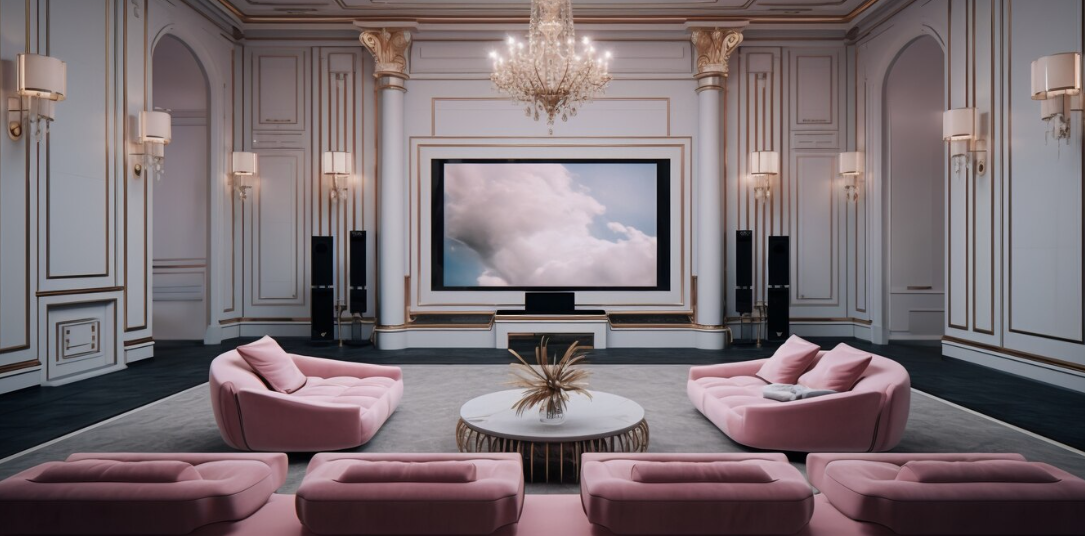
- Luxury décor suits metallic accents and sculptural silhouettes
- Traditional themes work with fabric shades and classic bases
- Industrial spaces favor exposed structures and matte textures
Material coordination matters. If a room contains brass hardware, similar finish on a fixture creates cohesion.
Factor in Dubai Climate Conditions
Environmental conditions influence durability. Heat, dust, and humidity affect materials over time. Choose corrosion-resistant metals, treated wood, or coated surfaces.
For villas with large windows and strong sunlight exposure, UV-resistant shades prevent discoloration. Easy-clean materials help manage dust accumulation.
Energy-efficient bulbs also reduce heat emission, improving comfort and lowering cooling load.
Check Energy Efficiency and Technology
Modern lighting solutions offer significant efficiency improvements. LED technology consumes less electricity and lasts longer than traditional bulbs.
Smart lamps add convenience through:
- App control
- Brightness adjustment
- Color tuning
- Scheduling features
These functions help manage energy use while enhancing lifestyle flexibility.
Always verify compatibility with local voltage standards and socket types before purchase.
Size and Proportion Matter
Scale should match room dimensions and furniture height. Oversized fixtures overwhelm small rooms, while tiny pieces disappear inside large areas.
General tips:
- Tall ceilings support taller floor lamps
- Small tables require compact bases
- Large sofas pair with substantial side lighting
- Narrow corners need slim vertical designs
Measure available space before buying to avoid imbalance.
Test Before Final Placement
Whenever possible, test illumination effects before fixing position permanently. Move the lamp around and observe shadow behavior at different times of day.
Check for glare on screens, mirrors, or glossy surfaces. Adjust angle and height until visual comfort improves.
Lighting should support living, not distract from it.
Final Thoughts
Choosing the best lamps in Dubai for every room involves more than selecting attractive shapes. Purpose, brightness level, tone, efficiency, durability, and proportion all influence satisfaction. Layered design creates depth, while correct color temperature shapes mood. Each area of a home deserves tailored illumination based on how it is used daily.
By evaluating function first and style second, you can build a lighting plan that enhances comfort, highlights décor, and supports practical needs across every corner of your space.