How to Pack Household Items Safely for Storage and Moving
Packing a home is never as easy as it looks. Things that feel sturdy can break in transit. A small mistake can damage something valuable. That is why the right materials really matter. In real moving and storage jobs, packing decides outcomes. Good packing means fewer losses and smoother handling. Let’s go step by step and keep it simple.
What Should You Keep in Mind Before Packing?
- Start by looking at what you own. Not everything needs the same level of care.
- Sort items into fragile and non-fragile groups. This saves time during packing.
- Choose strong boxes from the beginning. Weak boxes fail when stacked or lifted.
- Most households depend on cardboard storage boxes for this. They are reliable for both moving and storage.
- Label your boxes clearly. It makes unpacking far less stressful.
Which Materials Are Used for Safe Packing?
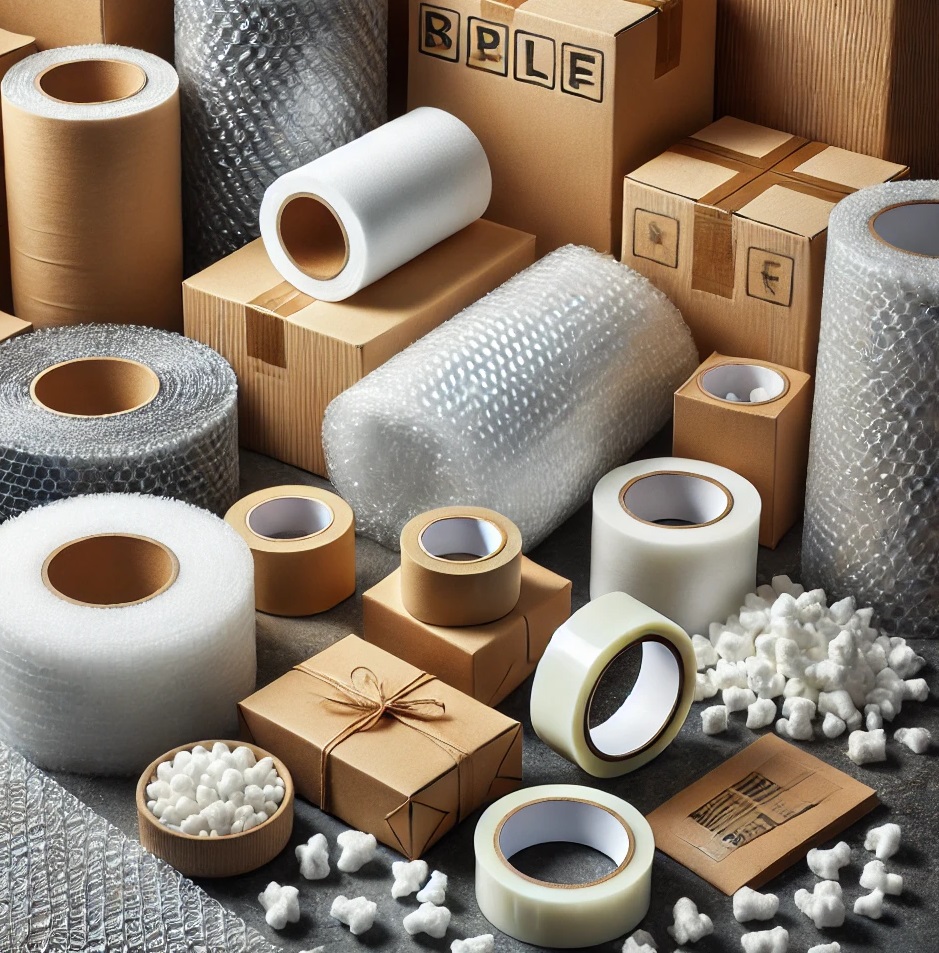
Cardboard Boxes
- Easy to handle and stack
- Available in different sizes
- Suitable for most household goods
- Cost-effective for large moves
People trust cardboard storage boxes because they work. They hold weight without making handling difficult. In storage facilities, these boxes are used daily. They keep items organised and protected over time.
Bubble Wrap
- Protects fragile surfaces
- Absorbs shocks during movement
- Flexible for different shapes
- Prevents cracks and chips
Wrap delicate items carefully. Glass and electronics need extra attention. In shipping environments, bubble wrap is standard practice. It reduces damage during loading and unloading.
Packing Paper
- Soft and easy to fold
- Ideal for wrapping kitchen items
- Prevents scratches
- Fills empty spaces inside boxes
Packing paper is simple but effective. It works well for plates, bowls, and décor. Many packaging companies recommend paper over newspaper. It avoids ink marks and keeps items clean.
Foam Sheets
- Protects polished surfaces
- Lightweight and flexible
- Ideal for furniture edges
- Reduces surface damage
Foam sheets are useful for furniture as they prevent marks during transport. In furniture delivery services, foam is used regularly. It protects high-value pieces from scratches.
Packing Tape
- Seals boxes securely
- Keeps contents intact
- Strong adhesive grip
- Suitable for long storage periods
A well-sealed box is always safer. Loose boxes can open during handling. Professionals never compromise on tape quality. It holds everything together during movement.
Stretch Film
- Wraps items tightly
- Protects from dust
- Holds loose parts together
- Works well for bulky items
Stretch film is useful for large items. It keeps things stable during transit. Warehouses use it to secure grouped items. It makes handling easier and faster.
Customised Packaging Solutions
- Designed for specific items
- Reduces internal movement
- Adds extra protection
- Ideal for fragile or valuable goods
Some items need more than standard packing. This is where custom packaging in the UK options come in. They are designed to fit the product precisely and minimise damage during long journeys. High-value goods often use tailored packaging. It adds a layer of confidence during transport.
How Do You Pick the Right Material?
It depends on what you are packing.
- Fragile items need layers of protection, such as wrap, foam, and proper spacing.
- Heavy items need stronger boxes. Always use smaller boxes for weight.
- Daily-use items need basic packing.
- Paper and boxes usually work fine.
Experienced packaging companies suggest combining materials. This improves overall protection.
How Can You Pack Items Without Damage?
- Take your time while packing. Rushing leads to mistakes.
- Wrap each fragile item separately. Do not stack them without padding.
- Fill gaps inside the box. Movement causes most damage.
- Place heavier items at the bottom. Lighter items should stay on top.
- Seal every box properly. Open boxes can cause losses.
- In professional logistics, layering is always followed. It ensures items stay safe during handling.
What Mistakes Should You Avoid While Packing?
- Do not overload your boxes as heavy boxes are harder to manage.
- Avoid using damaged or weak boxes, which may collapse under pressure.
- Do not skip cushioning materials, as even strong items can get scratched.
- Leaving empty spaces is risky as it may lead to the items shifting and colliding.
- Ignoring proper sealing is another mistake. It can cause items to fall out.
How Do Industry Practices Help in Packing?
Real-world packing follows tested methods.
In logistics centres, packing is done systematically. Each item type has its own process. Furniture movers use layered protection to prevent damage during long-distance transport. Glass suppliers use multiple layers of wrapping to reduce breakage significantly.
These practices come from experience. They are reliable and practical. Using similar methods at home helps a lot. It improves both safety and efficiency.
Why Is Proper Packing Important for Storage?
Storage is not just about keeping items away; it is about keeping them safe over time. Dust and pressure can cause damage. Poor packing makes it worse. Using cardboard storage boxes helps with organisation. They stack neatly and save space. Good packing also helps when you need something later. You can find it without opening everything.
Conclusion: How Can You Pack Smartly?
Packing becomes simple with the right approach. Use appropriate materials for each item, and don’t rely on a single method for everything. Concentrate on protection, structure, and sealing. These three aspects make a significant difference. A little extra effort during packing pays off later. Your belongings stay safe, and you remain stress-free.