How to Create a Warm and Inviting Entryway With Lighting
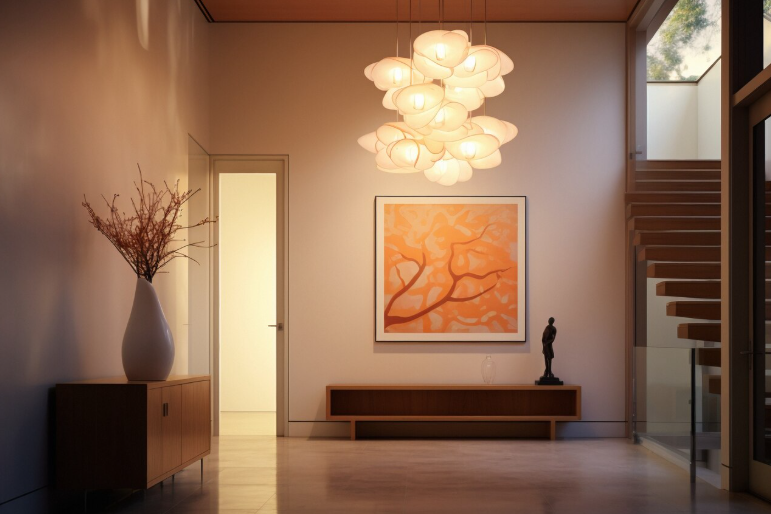
The entryway sets the mood for an entire home. Before guests discover the living room, dining area or private spaces, they experience the first impression created by the entrance. The quality of the lighting, the arrangement of furniture and the way materials interact can make this transition feel welcoming rather than simply functional.
In UAE homes, where contemporary apartments, spacious villas and elegant townhouses offer different design opportunities, an effective entrance should balance visual appeal with everyday convenience. Thoughtful illumination can make a compact hallway feel more open, highlight architectural details and create a comfortable atmosphere from the moment someone walks through the door.
Choose Furniture That Supports the Lighting
The furniture in an entrance should improve the way the space functions without obstructing movement. A slim console, a small seat or a carefully positioned mirror may provide all the support required.
Introduce Comfortable Seating
Where the floor area permits, Accent Chairs Dubai can be a useful search phrase when exploring seating options that complement an elegant entrance. Choose a chair with proportions suitable for the available space, leaving sufficient room for doors to open and people to pass comfortably.
A compact upholstered seat can soften an entrance dominated by stone, glass or metal. In a larger foyer, a sculptural chair may establish a visual focal point without overwhelming the arrangement.
Begin With the Feeling You Want to Create
Lighting decisions become easier when the intended atmosphere is clear. A minimalist entrance may benefit from subtle illumination and uncluttered surfaces, while a traditional home might call for layered light, textured materials and more decorative fixtures.
Warm-white illumination, generally around 2700K to 3000K, often creates a relaxed residential atmosphere. Neutral-white light can work well in contemporary interiors where a cleaner appearance is preferred. The important consideration is consistency: excessively different colour temperatures in neighbouring areas can make the transition feel disjointed.
Consider the Natural Light Available
An entrance with a window or glazed front door may receive sufficient daylight during certain hours. Observe how sunlight moves through the space before deciding where additional fixtures are needed.
A darker corridor may require a ceiling fixture supplemented by wall-mounted sources. In a bright entrance, softer illumination can provide a comfortable evening setting without competing with natural light.
Build a Layered Lighting Scheme
A single ceiling fixture rarely addresses every requirement of an entrance. Layering allows the space to remain practical while creating depth and visual interest.
Start With General Illumination
The main light source should provide enough visibility for entering, leaving and moving safely through the area. Flush-mounted fixtures work well in entrances with limited ceiling height, while a compact pendant may suit a taller foyer.
Pay attention to the distribution of light. A bright spot directly beneath a fixture combined with dark corners can make the entrance feel smaller. Diffused illumination or several appropriately positioned sources usually creates a more balanced result.
Add Focused Light to Architectural Details
Accent illumination draws attention to artwork, textured walls, decorative niches or a distinctive mirror. Adjustable spotlights can direct light towards a feature without illuminating every surface equally.
Wall-mounted fixtures can also introduce rhythm along a long corridor. Their spacing should feel deliberate, and the beam should not create uncomfortable glare when someone approaches the doorway.
For artwork and delicate finishes, select appropriate light levels and avoid unnecessary heat or prolonged exposure where material sensitivity is a concern.
Create a Welcoming Surface With Soft Lighting
A Table Lamp/مصباح طاولة can introduce a gentle pool of light on a console or side surface. Its shaded glow is particularly useful during evenings when full ceiling illumination feels unnecessarily bright.
Choose a base that relates to the furniture finish and a shade that distributes light comfortably. Keep the cable discreet and ensure the lamp does not interfere with keys, bags or other everyday items.
Use Mirrors and Reflective Materials Thoughtfully
Mirrors are useful in entrances because they provide a final opportunity to check an outfit before leaving. They can also reflect light into darker areas and make narrow spaces appear more open.
Position a mirror so that it reflects an attractive view, a well-lit wall or a considered decorative arrangement. Reflecting a bright bare bulb directly into someone’s eyes can produce the opposite effect.
Polished metal, glass and lightly reflective stone can enhance brightness, but too many reflective surfaces may create visual clutter. Balance them with wood, fabric or matte finishes to keep the entrance comfortable.
Make the Lighting Easy to Use
An attractive scheme should work naturally with everyday routines. Separate controls for general and accent illumination allow the atmosphere to change according to the occasion.
For example, a household may use brighter lighting while cleaning or organising belongings, then switch to softer sources when receiving guests. Dimmers can provide further flexibility when compatible with the selected fixtures and bulbs.
Motion sensors may be practical in secondary entrances or corridors, particularly when hands are occupied. Ensure their placement and settings provide enough time and light for safe movement.
Avoid Common Entryway Lighting Mistakes
An oversized pendant can dominate a small entrance, while a tiny fixture may appear lost in a spacious foyer. Always consider the relationship between fixture dimensions, ceiling height and the surrounding furniture.
Another common mistake is relying entirely on decorative lighting. A beautiful wall fixture cannot compensate for inadequate visibility near steps, storage areas or door locks.
Finally, avoid placing furniture too close to the entrance or allowing decorative objects to block the light. Clear circulation should remain the priority.
Conclusion
A welcoming entrance emerges from the relationship between light, furniture, architecture and everyday use. Start with comfortable general illumination, introduce focused accents, and add a softer source where it improves the atmosphere. Select finishes that complement the home’s wider interior while keeping the entrance uncluttered and safe.
With careful planning, even a modest hallway can become an elegant introduction to the home—one that feels inviting in the evening, practical during busy mornings and visually connected to the rooms beyond.