Why Kraft Boxes Are a Popular Choice for Modern Packaging
I still remember the first time I actually paid attention to a Kraft box instead of just glancing past it. It was a coffee bag, of all things, sitting on a shelf between a dozen shiny, over-designed competitors, and it just looked… calmer. Not cheap, not boring, just calm. No foil, no loud color, barely any print on it at all. And somehow that made me pick it up first.
That’s kind of the whole story with Kraft packaging, honestly. Brown paper’s been around forever, nothing new about that part. But it’s gone from being the “we didn’t have budget for anything nicer” option to something brands actively choose now, even when they could afford flashier alternatives. That shift is worth digging into a bit, because it’s not really about looks alone.
Where This Stuff Even Comes From
Quick bit of background, since it explains a lot of why Kraft looks and behaves the way it does. There’s a specific pulping method called the Kraft process, and it produces paper that’s noticeably stronger than regular paper stock while using a lot less bleaching along the way. That’s the reason for the brown color in the first place – you’re basically looking at paper that’s closer to its raw form, not stripped down and whitened the way most cardboard is. It also happens to cost less and use fewer resources to make, which honestly is probably the bigger reason it caught on decades before anyone cared about sustainability as a selling point.
The Sustainability Thing Isn’t Just Talk Here
A lot of “eco-friendly” packaging claims fall apart the second you look closely at them. Kraft holds up better than most, in my experience. It’s usually made from recycled fiber or pulp sourced responsibly; it recycles itself easily, and it just doesn’t need the level of processing that bright white or heavily coated board requires. For a brand that actually wants to back up a sustainability claim with something real, instead of just slapping a green leaf logo on a box, Kraft gives them an actual argument to make.
People have also gotten a lot better at spotting greenwashing lately, whether brands like it or not. A shiny box covered in “eco-conscious” language while looking exactly like every other glossy product on the shelf tends to raise eyebrows now. Something a little rougher, a little more unfinished-looking, oddly enough reads as more trustworthy. Funny how that works.
It Just Fits Where Design Is Heading Right Now
There’s been this broader pull toward minimalism lately – quieter branding, less shouting for attention, more confidence in saying less. Kraft slots into that trend almost perfectly. The natural texture pairs well with simple one- or two-color printing, and there’s something about that pairing that feels considered rather than mass-produced, even though it’s often coming off the same production line as anything else.
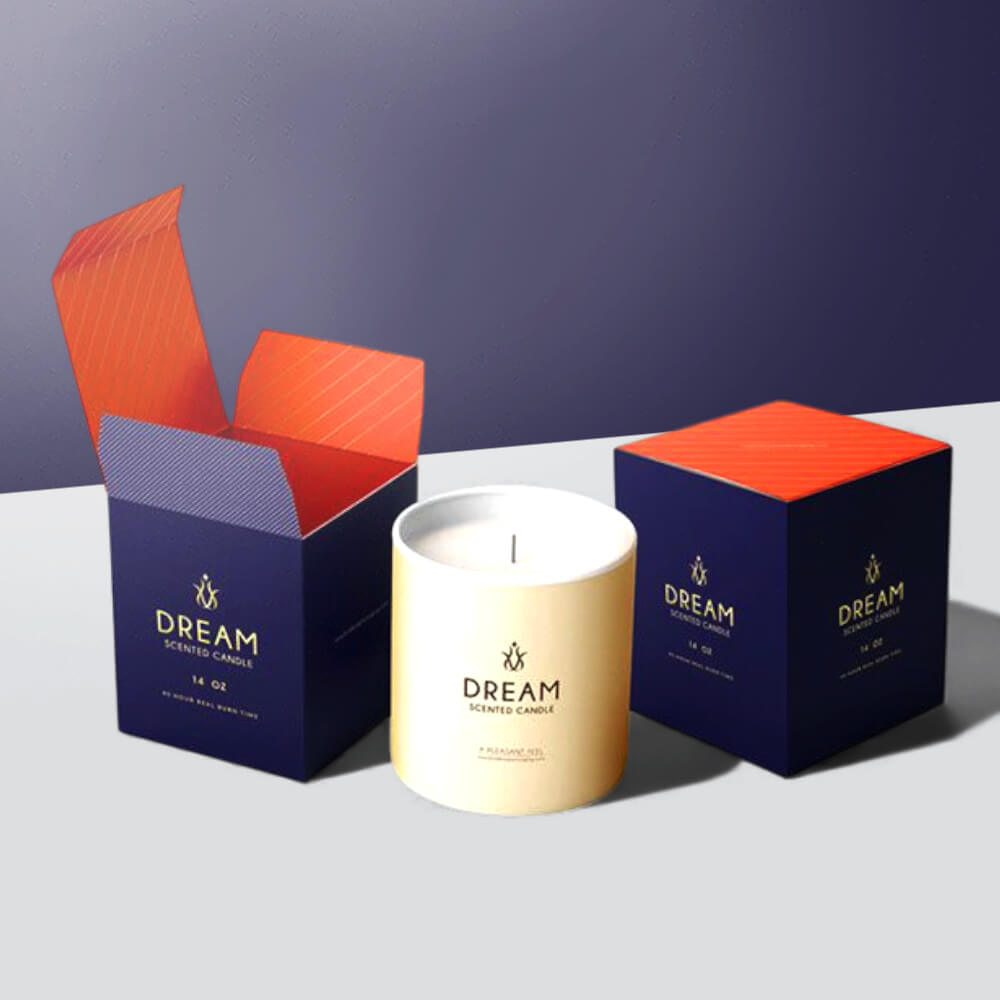
It works especially well in food, wellness, and handmade categories, where a rustic look actually backs up what the product’s trying to say about itself. Put a candle or a bar of soap in a Kraft box and it just makes visual sense in a way glossy plastic-coated packaging never quite manages for that kind of product. The packaging ends up doing a bit of storytelling before anyone even reads the label.
There’s More Structural Range Here Than People Assume
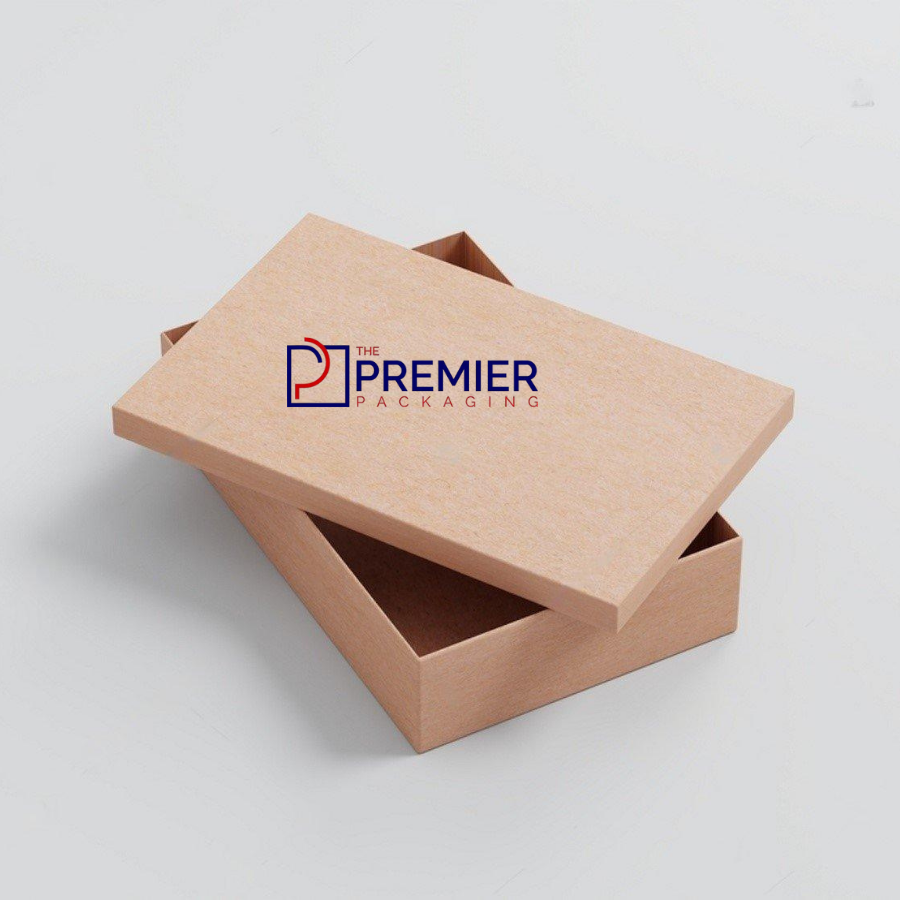
Most people picture Kraft as flat brown cardboard and nothing else, but the structural side goes a lot further than that. Take Kraft sleeve boxes as an example – a simple two-piece setup where an outer sleeve slides over an inner tray. It ends up feeling more deliberate, almost a little premium, compared to a plain tuck-top box, and it barely adds any cost to get there. Small structural decision, but it noticeably changes how the thing feels in someone’s hands.
Past sleeves, Kraft shows up in mailers, rigid boxes, folding cartons, all sorts of inserts. And structurally it holds up fine too. Maybe decades ago there was a fair argument that Kraft felt flimsy, but production’s come a long way since then, and that criticism doesn’t really apply anymore.
Product Information Overview
| Feature | Description |
| Packaging Type | Kraft boxes, including Kraft sleeve boxes |
| Common Materials | Kraft paper, Kraft cardboard, corrugated Kraft |
| Typical Colors | Natural brown, unbleached white Kraft |
| Customization Options | Size, shape, printing, embossing, window cutouts |
| Printing Techniques | Screen printing, digital printing, letterpress |
| Finishing Options | Matte, spot UV, foil accents, minimal coating |
| Ideal Industries | Food, cosmetics, wellness products, handmade goods |
| Sustainability Profile | Recyclable, often made from recycled or sustainable fibers |
| Structural Options | Sleeve boxes, mailer boxes, tuck-top, rigid boxes |
| Lead Time | Typically 1 to 3 weeks depending on order complexity |
And Then There’s the Cost Side, Which Honestly Seals the Deal
Beyond how it looks and the sustainability angle, Kraft is just plain cheaper than a lot of the alternatives out there. Less processing means lower production cost, and once you’re ordering in any real volume, that difference adds up fast. For a smaller brand trying to look put-together without spending like it’s backed by venture capital, Kraft’s a way to get that clean, intentional look without the budget a heavily coated multi-layer box usually demands.
Working with someone who actually understands how a checkout kraft operates, not just how to make a custom look nice on paper, makes a real difference here. That’s something The Premier Packaging tends to focus on – building units that don’t just look good but are sized and shaped to actually fit into the daily flow of a busy register.
Final Thoughts
Kraft packaging didn’t get popular by accident, and it’s not really riding a trend either at this point. It’s popular because it actually delivers on stuff brands genuinely care about – lower cost, a real sustainability story, and a look that lines up with where design’s been heading for a while now. Whether it’s a plain mailer, a set of Kraft sleeve boxes, or something a bit more involved structurally, Kraft gives brands a way to package their products that feels honest instead of cheap. In a market where people are getting more skeptical of packaging that’s clearly trying too hard, that understated, no-frills approach ends up standing out a lot more than most brands probably expect going in.
Frequently Asked Questions
What’s Kraft paper actually made from?
It comes from the Kraft pulping process, usually starting with wood pulp or recycled fiber, and it results in a strong, less processed paper with that recognizable brown tone.
Is Kraft packaging genuinely eco-friendly, or is that overstated?
It generally holds up better under scrutiny than most “eco-friendly” claims, since it’s usually recyclable and needs a lot less chemical processing than bright white or heavily coated board.
What exactly is a Kraft sleeve box?
It’s a two-piece design where an outer sleeve slides over an inner tray, giving it a slightly more premium feel than a standard tuck-top box without much of a cost jump.
Can Kraft packaging actually hold up during shipping?
Yes, generally. Modern Kraft cardboard and corrugated Kraft hold up well structurally, and it’s not the flimsy material people sometimes still assume it is.