DevSecOps Services: Security in Modern Software Development
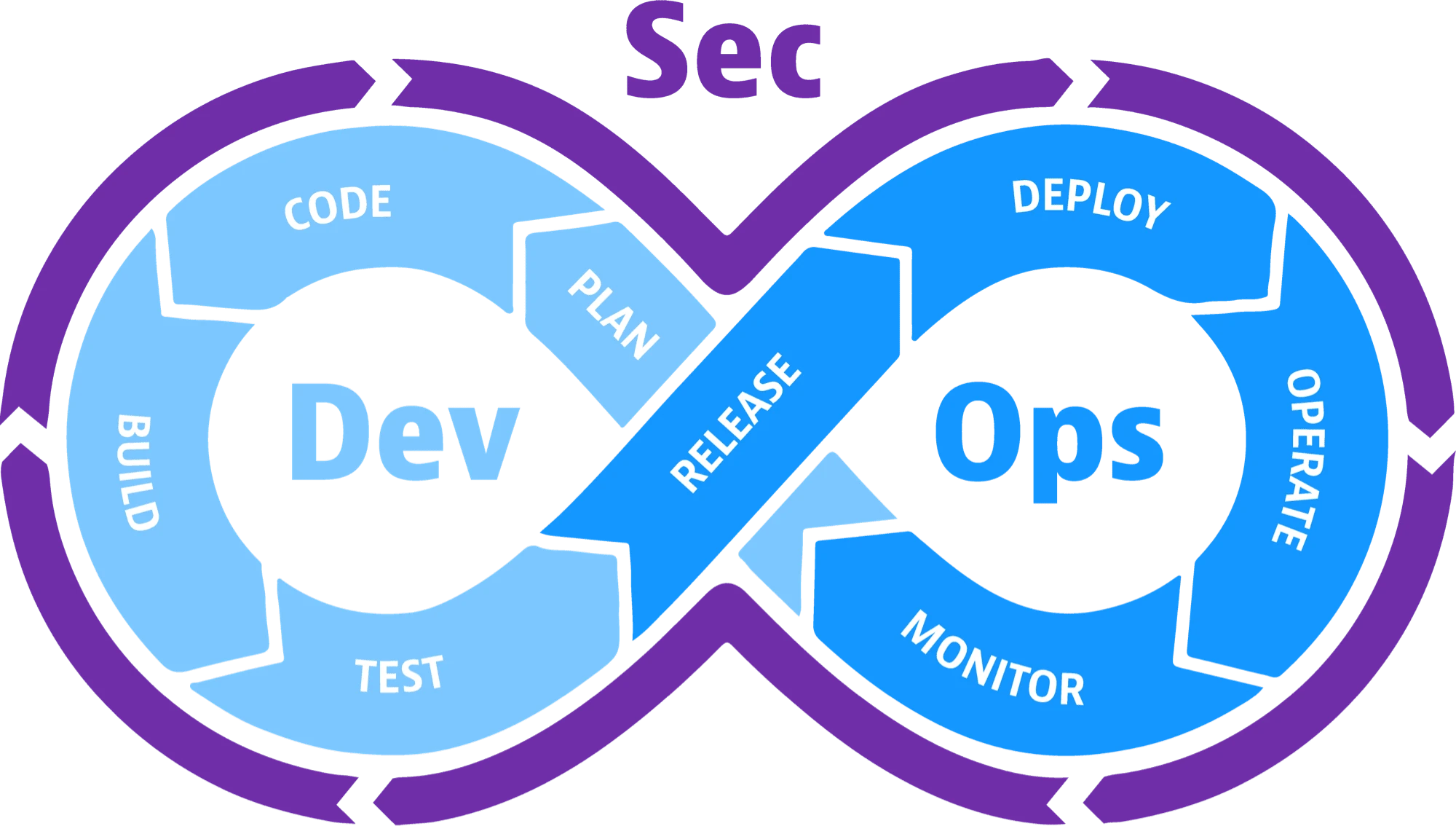
In today’s fast-paced digital landscape, businesses face the dual challenge of delivering software quickly while ensuring it remains secure and compliant. Traditional development models often treated security as a separate phase, leading to vulnerabilities and delayed releases. DevSecOps services address this challenge by integrating security practices directly into the development and operations lifecycle, ensuring that software is secure by design without compromising agility.
DevSecOps represents the convergence of Development, Security, and Operations, transforming how organizations approach software delivery. By embedding security into every stage of the DevOps process, teams can identify and mitigate risks early, improve compliance, and accelerate deployment cycles. This approach is critical for organizations that handle sensitive data, operate in regulated industries, or deliver cloud-based applications at scale.
This article explores the concept of DevSecOps, the role of DevSecOps services, its benefits, best practices, challenges, and how it is shaping the future of secure software development.
Understanding DevSecOps Services
DevSecOps services refer to the comprehensive set of practices, tools, and methodologies that integrate security into the DevOps workflow. Unlike traditional security measures that are applied after development, DevSecOps embeds security into every phase—from planning and coding to testing, deployment, and monitoring.
These services include threat modeling, automated security testing, code analysis, vulnerability management, compliance monitoring, and continuous security training. By incorporating these measures, organizations can reduce risks, detect vulnerabilities early, and ensure applications meet security standards throughout their lifecycle.
The adoption of devsecops services transforms organizational culture by making security a shared responsibility among developers, operations teams, and security professionals. This collaboration ensures that security is no longer an afterthought but an integral part of software delivery.
The Importance of DevSecOps Services
In modern software development, speed and security often compete for attention. Organizations aim to release features rapidly while maintaining data protection and regulatory compliance. DevSecOps services address this challenge by embedding security into the workflow without slowing down development.
By leveraging DevSecOps, organizations can prevent costly breaches, reduce the impact of vulnerabilities, and avoid non-compliance penalties. It also improves customer trust by ensuring that software is reliable and secure. As cyber threats evolve and regulations become stricter, integrating security early in the software lifecycle is no longer optional—it is essential.
Key Components of DevSecOps Services
Successful DevSecOps services rely on several core components to ensure comprehensive security coverage:
-
Continuous Integration and Continuous Deployment (CI/CD) Security: Incorporating automated security checks into CI/CD pipelines ensures that code vulnerabilities are detected and addressed immediately.
-
Automated Security Testing: Static Application Security Testing (SAST), Dynamic Application Security Testing (DAST), and software composition analysis detect potential risks during development.
-
Configuration Management: Ensures secure and consistent system configurations across environments, reducing misconfigurations that can lead to breaches.
-
Monitoring and Logging: Real-time monitoring of applications and infrastructure helps detect anomalies, attacks, and suspicious activity.
-
Compliance Management: Ensures that applications and infrastructure adhere to industry standards and regulatory requirements such as GDPR, HIPAA, or PCI DSS.
These components collectively enable organizations to deliver secure software efficiently and reliably.
Benefits of Implementing DevSecOps Services
Organizations that adopt DevSecOps services experience multiple benefits that improve both security and business outcomes:
-
Proactive Security: Identifies and mitigates vulnerabilities before they reach production.
-
Faster Deployment: Security integration in CI/CD pipelines reduces delays caused by post-development security fixes.
-
Reduced Costs: Early detection of security issues prevents costly breaches and remediation expenses.
-
Regulatory Compliance: Ensures adherence to legal and industry-specific security requirements.
-
Enhanced Collaboration: Encourages cooperation between development, operations, and security teams.
-
Improved Trust and Reputation: Secure software strengthens customer confidence and brand credibility.
By leveraging DevSecOps services, organizations gain a strategic advantage by balancing speed and security effectively.
DevSecOps Services in the Cloud
Cloud computing has become a central part of modern software development, making DevSecOps services even more critical. Cloud environments often involve dynamic infrastructure, multi-tenant platforms, and shared responsibilities, which can introduce security challenges if not managed correctly.
DevSecOps services for cloud environments include automated cloud security configuration, vulnerability scanning, identity and access management, and continuous compliance monitoring. By integrating security practices into cloud DevOps pipelines, organizations can prevent misconfigurations, data breaches, and unauthorized access while maintaining agility and scalability.
Security Automation in DevSecOps Services
Automation is a cornerstone of DevSecOps services. Manual security testing is time-consuming, error-prone, and incompatible with fast-paced development cycles. Automated security solutions enable continuous scanning, testing, and remediation, ensuring that vulnerabilities are addressed before they impact production.
Key automation practices include:
-
Automated Vulnerability Scanning: Detects known security issues in code libraries and dependencies.
-
Continuous Code Analysis: Evaluates code for insecure patterns or potential exploits.
-
Automated Patch Management: Ensures timely updates and fixes across applications and infrastructure.
-
Security Orchestration: Integrates multiple tools and processes to streamline threat detection and response.
By leveraging automation, DevSecOps services reduce manual effort, accelerate security testing, and improve overall reliability.
Integration of DevSecOps Services in Agile and DevOps
Agile and DevOps methodologies focus on rapid iteration, continuous delivery, and collaboration. Without security integration, these fast-paced approaches can introduce significant risks. DevSecOps services bridge this gap by embedding security into agile and DevOps workflows.
Security becomes part of user stories, sprints, and CI/CD pipelines, ensuring that every feature or update is evaluated for vulnerabilities before deployment. This seamless integration allows organizations to maintain speed while enhancing security posture, creating a culture where security is everyone’s responsibility.
Challenges in Implementing DevSecOps Services
Despite the clear benefits, implementing DevSecOps services can present challenges:
-
Cultural Resistance: Teams accustomed to traditional workflows may resist incorporating security into development.
-
Tool Integration Complexity: Combining multiple security, CI/CD, and monitoring tools can be challenging.
-
Skill Gaps: Developers and operations staff may require additional training to handle integrated security tasks.
-
Maintaining Compliance: Continuously updating compliance standards and audits in dynamic environments is complex.
-
Cost of Implementation: Initial setup and integration of DevSecOps services may require significant investment.
Addressing these challenges requires proper planning, training, and executive support to ensure successful adoption.
Best Practices for DevSecOps Services
To maximize the effectiveness of DevSecOps services, organizations should follow these best practices:
-
Shift-Left Security: Incorporate security early in the development lifecycle to detect vulnerabilities sooner.
-
Continuous Monitoring: Implement real-time monitoring of applications and infrastructure for threats.
-
Automate Wherever Possible: Reduce human error and accelerate security processes with automation.
-
Regular Security Training: Keep teams updated on best practices, emerging threats, and compliance requirements.
-
Collaborative Culture: Foster collaboration between developers, security, and operations teams for shared responsibility.
-
Use Standardized Tools: Adopt widely supported tools and frameworks for consistency and reliability.
Following these practices ensures that DevSecOps services deliver measurable security improvements without hindering development speed.
The Future of DevSecOps Services
The future of DevSecOps services is closely tied to emerging technologies, regulatory demands, and evolving cybersecurity threats. AI and machine learning are expected to play a significant role in threat detection, anomaly identification, and predictive security.
Additionally, DevSecOps services will increasingly focus on cloud-native security, container security, and microservices architecture to support modern software development trends. Organizations will adopt continuous compliance monitoring, automated risk assessment, and integrated analytics to maintain a robust security posture.
As businesses continue to prioritize digital transformation, DevSecOps services will become an essential pillar for secure, efficient, and resilient software delivery.
Why Businesses Should Invest in DevSecOps Services
Organizations that invest in DevSecOps services gain multiple advantages:
-
Reduced risk of cyberattacks and data breaches.
-
Faster and more reliable software delivery cycles.
-
Compliance with industry regulations and standards.
-
Improved collaboration between development, operations, and security teams.
-
Cost savings from early vulnerability detection and prevention.
By adopting DevSecOps services, businesses can balance speed and security, enabling growth while protecting their digital assets.
Long-Term Benefits of DevSecOps Services
The long-term benefits of DevSecOps services extend beyond immediate security improvements. Continuous integration of security fosters a proactive approach to threat management, reduces operational risks, and ensures long-term compliance.
Organizations that adopt DevSecOps services experience enhanced software quality, faster delivery, and increased resilience against evolving cyber threats. Over time, the integration of security into every stage of the software lifecycle creates a culture of accountability, innovation, and continuous improvement.
Conclusion
DevSecOps services have redefined the landscape of modern software development by integrating security into every phase of the DevOps workflow. By adopting these services, organizations can deliver secure, compliant, and high-quality software while maintaining the speed and agility demanded by today’s digital economy.
From automated vulnerability detection and compliance monitoring to cloud security and continuous integration, DevSecOps services provide a holistic approach to managing security risks. Companies that embrace these practices not only protect their digital assets but also gain a strategic advantage through faster delivery, reduced costs, and improved customer trust.
As technology continues to evolve, DevSecOps services will remain a cornerstone of secure, efficient, and resilient software development, enabling businesses to innovate confidently in a rapidly changing digital landscape.